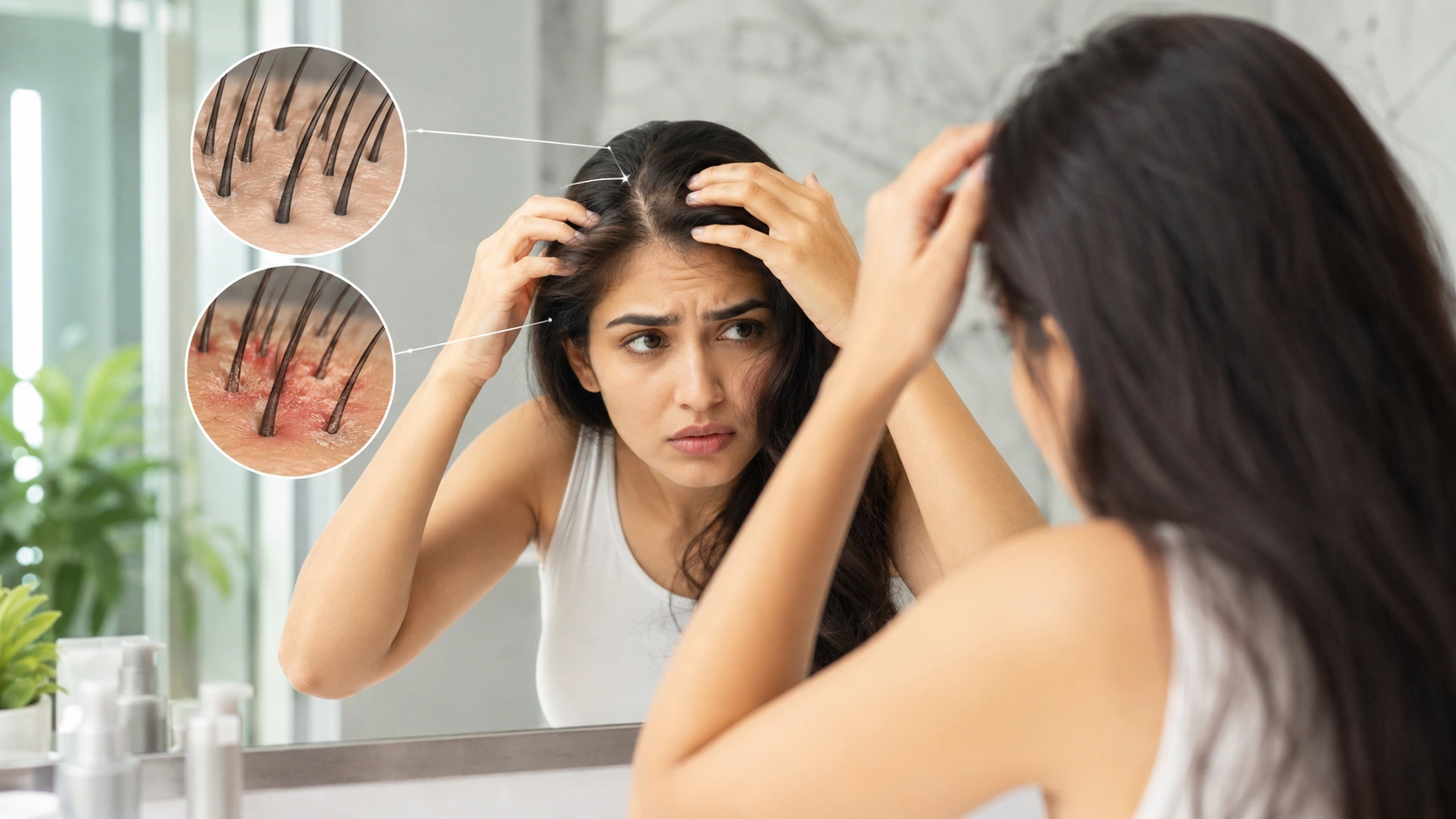
Hair loss is one of those things that sneaks up on you. First it’s the shower drain. Then the pillow. Then you’re holding the brush a little longer than you need to, trying not to count. It doesn’t happen overnight — and that’s both the frustrating and hopeful part.
The best vitamins for hair growth aren’t a secret or a marketing invention. They’re nutrients — specific ones that hair follicles depend on to function, produce a strand, and hold onto it. When those nutrients drop, even quietly and gradually, the growth cycle slows. Shedding increases. The hair that does grow comes back thinner than it used to.
This isn’t a supplement pitch. It’s the honest version — what your hair actually needs, what the research supports, and how to figure out which of it actually applies to you.
The Best Vitamins for Hair Growth — What the Research Actually Says
Not every vitamin marketed for hair does something real. Here’s what consistently holds up — ranked by how strong the evidence actually is. Understanding the best vitamins for hair growth starts with separating evidence-backed nutrients from marketing claims.
Biotin (Vitamin B7)
The most talked-about hair vitamin. For good reason — but with a caveat most brands don’t mention. Biotin genuinely improves hair growth in people who are deficient. For people with normal biotin levels, the evidence for extra supplementation is thin. Deficiency is more common than most expect — especially in women who’ve taken antibiotics long-term, are pregnant, or have gut absorption issues. Before spending money on biotin, get your levels checked.
Vitamin D
Consistently underestimated. Vitamin D receptors sit directly in hair follicles, and research links deficiency to diffuse shedding — the kind that comes on gradually, all over the scalp, with no obvious reason. India has one of the highest rates of vitamin D deficiency globally, yet it’s rarely included in routine hair loss evaluations. If you haven’t tested for it, test. Supplement at 2000–4000 IU daily if deficient. Among the best vitamins for hair growth, vitamin D is often the most overlooked.
Iron (Ferritin)
Not technically a vitamin, but iron deficiency — particularly low ferritin — is one of the most common and most missed causes of hair loss in women. Low iron means insufficient oxygen reaching follicles, which stalls the growth cycle and increases shedding. The number that matters is ferritin, not just hemoglobin. Many women show normal hemoglobin with low ferritin and still experience significant hair loss. This distinction almost never gets explained.
Zinc
Directly involved in protein synthesis and cell division — both essential for follicle activity. Zinc deficiency causes hair loss. Most Indian diets, particularly vegetarian-heavy ones, run low on it without anyone realising. Eggs, pumpkin seeds, chickpeas, and lentils are your best dietary sources.
Vitamin E
An antioxidant that protects scalp tissue from oxidative stress. One study found a 34.5% increase in hair count after 8 months of vitamin E supplementation versus placebo. Less dramatic than biotin marketing — but the mechanism is real and the scalp does benefit. This is one reason vitamin E continues to be included among the best vitamins for hair growth.
Vitamin A
Works both ways. Adequate vitamin A keeps the scalp producing healthy sebum. Excess vitamin A — from over-supplementation — causes hair loss. Don’t supplement vitamin A unless you have a confirmed deficiency. This one specifically can make things worse.
The best vitamins for hair growth aren’t useful in the abstract. They’re useful when they’re the ones you’re actually low on.
How to Tell If Your Hair Loss Is Vitamin-Related
Hair loss comes from many directions — stress, hormonal shifts, genetics, scalp conditions, medications. Before going down the vitamin path, it helps to know if that’s actually where the problem lives.

Signs that a nutritional deficiency might be the driver:
- Diffuse shedding — loss from all over the scalp, not one patch — typically points to systemic causes like iron, vitamin D, or zinc deficiency
- Shedding that started 2–3 months after a stressful event, illness, weight loss, or crash diet — classic telogen effluvium pattern, often vitamin and protein-linked
- Hair breaking mid-shaft rather than falling at the root — more likely protein and vitamin E insufficiency
- Dry, flaky scalp alongside hair loss — often vitamin D or zinc related
Signs it’s probably not vitamin-related:
- A receding hairline following a defined pattern — more likely genetic or DHT-driven
- Patchy, circular areas of loss — more likely alopecia areata, an autoimmune condition
The only way to actually confirm is blood work. A useful panel for hair growth evaluation should include: serum ferritin, vitamin D, zinc, B12, thyroid panel, and complete blood count. Not complicated. Not expensive. Just necessary — because guessing wastes months.
When trying to identify the best vitamins for hair growth for your situation, testing is far more valuable than guessing.
The goal isn’t to fix everything at once. It’s to fix the right thing.
Food vs Supplements — How to Actually Get What Your Hair Needs

The supplement industry makes billions from hair anxiety. Some of it is earned. Most of it isn’t.
For mild nutritional gaps — not clinical deficiencies — food works better and more safely than most supplements. Here’s where the key nutrients actually live:
- Biotin — eggs, almonds, sweet potato, spinach
- Vitamin D — fatty fish (salmon, sardines), egg yolks, fortified dairy, and 20–30 minutes of midday sun (most people still don’t get enough even with sun exposure)
- Iron — red meat, spinach, lentils, tofu — always pair iron with vitamin C for better absorption
- Zinc — oysters, pumpkin seeds, chickpeas, eggs
- Vitamin E — sunflower seeds, almonds, avocado, dark leafy greens
When supplements actually make sense:
- A confirmed deficiency from blood work
- Dietary restrictions — veganism meaningfully increases B12, iron, and zinc risk
- Specific life stages — pregnancy, postpartum, perimenopause — all significantly raise nutritional demand
On combination hair supplements: The better ones combine biotin, zinc, selenium, vitamin D, and iron at real doses. The problem is most list ingredients without telling you whether the amounts are therapeutic or just enough to put it on the label. Transparency on dosage is the thing to look for — not the ingredient list alone.
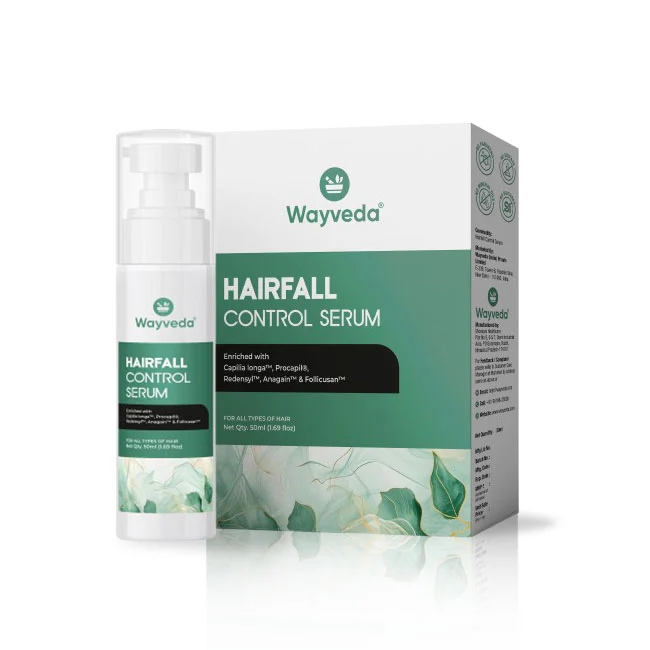
Wayveda’s Hairfall Control Kit was formulated specifically for the deficiency patterns common in Indian men and women — not adapted from Western formulations that don’t account for diet patterns here. Dr. Neha Mehta built it with real doses, not cosmetic ones.
Conclusion
Hair growth is slow. So is fixing what’s behind the loss. The best vitamins for hair growth aren’t shortcuts — they’re maintenance. Your follicles need a consistent supply of the right nutrients to grow a strand, hold onto it, and repeat that cycle month after month.
The most useful thing you can do right now isn’t buy a supplement. It’s get a blood test. Know which numbers are actually low. Fix those specifically. Then add topical or supplemental support where it’s genuinely needed.
Shedding slows. Growth returns. Not overnight — but month by month, the difference compounds. Your hair has what it needs to grow. It just needs the conditions to do it.
If nutritional gaps are behind your hair loss, Wayveda’s Hairfall Control Kit — formulated personally by Dr. Neha Mehta, India’s Top Intimacy Expert — targets the specific deficiencies most Indian men and women actually face. No harmful chemicals. Real doses that do something. Explore the Hairfall Control Kit on Wayveda →
Frequently Asked Questions About Vitamins for Hair Growth
Q1: Which vitamin deficiency causes the most hair loss?
Iron — specifically low ferritin — and vitamin D are the two most common culprits, particularly in Indian women. Biotin deficiency is possible but far less common than marketing suggests. The critical step is getting a blood panel done before supplementing anything. Treating a deficiency you don’t have does nothing for hair growth and occasionally makes things worse.
Q2: How long does it take for vitamins to improve hair growth?
One full hair growth cycle runs approximately 3–4 months. Realistic timeline:
- Shedding reduction from iron and vitamin D correction begins around weeks 8–12
- Visible new growth appears around the 3–4 month mark
- Meaningful texture and density improvement takes 6+ months of consistent correction
The biology doesn’t compress. That timeline is just how follicles work.
Q3: Is biotin actually worth taking for hair?
Only if you’re deficient. For confirmed biotin deficiency, supplementation helps — improvements in hair thickness and growth rate are documented. For people with normal levels, the additional biotin does little. Most people currently taking biotin supplements don’t need them — but the marketing around it is loud enough that most people never question it.
Q4: Can too many vitamins cause hair loss?
Yes — specifically excess vitamin A. Over-supplementation of vitamin A is a documented and entirely avoidable cause of hair loss. High-dose zinc can also cause hair loss by interfering with copper absorption. This is why testing before supplementing matters — the best vitamins for hair growth are only the ones your body genuinely needs more of. Randomly stacking supplements can work against you.
Q5: Does vitamin D deficiency cause hair loss?
Yes — and it’s one of the most underdiagnosed causes of diffuse shedding in India, despite the country’s sun exposure levels. Vitamin D receptors in hair follicles directly influence the growth cycle. Research shows that correcting a deficiency with daily supplementation meaningfully reduces shedding and supports regrowth across a 3–6 month window. Most Indian adults — men and women — have low vitamin D levels without knowing.
Q6: What’s the difference between a hair vitamin supplement and a regular multivitamin?
A multivitamin spreads across a broad nutrient range at low doses — useful for general maintenance, not for correcting specific deficiencies. Targeted hair vitamins concentrate on the nutrients most directly involved in follicle health — biotin, iron, zinc, vitamin D, selenium — at doses that are more likely to create a real clinical effect. Which one you need depends entirely on your deficiency profile. Know that first.