Sometimes the change starts quietly. You don’t plan it. You just notice your hair feeling… heavy. Flat. Like it’s wearing a coat it never asked for. You wash it. You condition it. You oil it. Still, something feels off. And that’s usually where silicone-free shampoo enters the picture—softly, without drama.
This article is about the benefits of silicone-free shampoo, explained simply. No chemistry lecture. No big promises. Just honest, easy words. The kind you’d understand even if hair care was never your thing.
Understanding Silicone in Hair Care
What Are Silicones?
Silicones are synthetic ingredients added to many shampoos and conditioners. They coat the hair strand. Smooth it. Make it shiny. At least on the surface.
Think of it like plastic wrap around food. It looks neat. It feels protected. But it doesn’t really feed what’s inside.
That’s silicone.
Why Are Silicones Used in Shampoos?
Because they give instant results.
- Hair feels soft immediately
- Hair looks shiny after one wash
- Frizz appears controlled
It’s fast. It’s visible. And brands love that.
But underneath that shine… well, we’ll come to that.
Common Types of Silicones Found in Hair Products
You’ve probably seen names like:
- Dimethicone
- Cyclopentasiloxane
- Amodimethicone
If a name ends with -cone, -conol, or -siloxane, it’s usually a silicone.
What Is Silicone-Free Shampoo?
How Silicone-Free Shampoos Are Different
A silicone-free shampoo doesn’t coat your hair. It cleans it. That’s it.
No fake smoothness. No temporary shine mask. Just actual washing.
At first, it feels strange. Hair feels… real. Sometimes too real.
But real isn’t bad. It’s honest.
Ingredients Commonly Found Instead of Silicones
Instead of silicones, these shampoos often use:
- Natural oils
- Plant extracts
- Mild cleansers
- Herbal ingredients
They work slowly. Gently. Like good habits.
Why People Are Switching to Silicone-Free Shampoos
The Clean Beauty Movement
People are tired of shortcuts. They want fewer chemicals. Fewer layers. More clarity.
Clean beauty isn’t about perfection. It’s about awareness. Knowing what touches your scalp every single day.
And yes, the benefits of silicone-free shampoo fit right into this shift.
Growing Awareness About Scalp Health
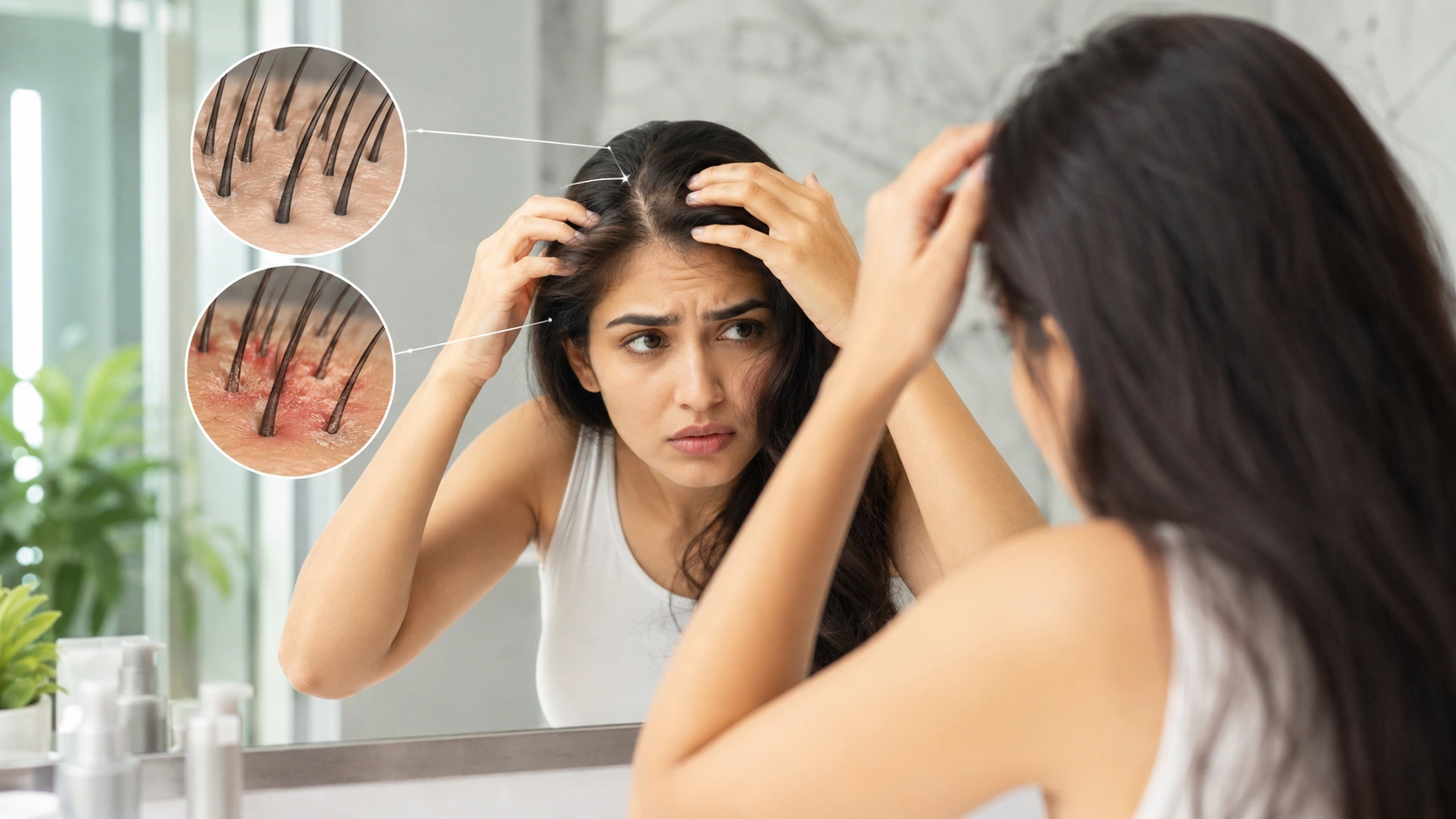
Healthy hair doesn’t start at the ends. It starts at the scalp.
Silicones can block pores. Build layers. Trap dirt.
Silicone-free shampoos? They let the scalp breathe.
Benefits of Silicone-Free Shampoo for Hair Health
This is where things slowly start to change. Not overnight. Over time.
Improves Natural Hair Texture
Your hair has its own personality. Curly. Wavy. Straight. Somewhere in between.
Silicones flatten that personality.
One of the main benefits of silicone-free shampoo is that your real texture comes back. It may surprise you. It may confuse you. But it’s yours.
Reduces Product Build-Up
Silicone build-up is sneaky.
- Hair feels greasy even after washing
- Scalp smells odd
- Products stop working
Silicone-free shampoos wash away residue instead of adding more.
Makes Hair Feel Lighter Over Time
At first—no, that’s not quite right—eventually, hair stops feeling weighed down.
You’ll notice:
- More movement
- More volume
- Less stiffness
Quiet changes. But real.
Benefits of Silicone-Free Shampoo for Scalp Health
Allows Scalp to Breathe
Your scalp is skin. Living skin.
One of the underrated benefits of silicone-free shampoo is how it treats the scalp with respect.
No sealing. No suffocating.
Just clean.
Helps Reduce Itching and Irritation
If your scalp:
- Itches often
- Feels tight
- Has flakes without reason
Silicone could be part of the problem.
Removing it often brings relief. Slowly. Calmly.
Supports Natural Oil Balance
Silicones confuse the scalp. They trap oil, then make the scalp overproduce more.
Silicone-free shampoos help restore balance. No extremes.
Benefits of Silicone-Free Shampoo for Long-Term Hair Growth
Strengthens Hair From the Roots
Clean follicles grow better hair. It’s that simple.
By removing build-up, silicone-free shampoos allow nutrients to reach roots.
That’s one of the deeper benefits of silicone-free shampoo—not flashy, but meaningful.
Less Hair Fall Due to Clean Follicles
Hair fall often reduces when:
- Scalp is clean
- Pores are open
- Roots are healthy
It doesn’t stop hair fall magically. But it supports the process.
Benefits of Silicone-Free Shampoo for Different Hair Types
For Oily Hair
Silicone traps oil.
Silicone-free shampoo helps oily hair feel fresh longer without over-drying.
For Dry and Damaged Hair
This sounds odd, but dry hair improves when it’s not coated.
Without silicone:
- Moisture actually enters
- Repair products work better
Yes, dryness may show first. Then healing begins.
For Curly and Wavy Hair
Curls love freedom.
One of the biggest benefits of silicone-free shampoo for curls is definition. Bounce. Life.
For Fine and Thin Hair
Silicone flattens fine hair.
Removing it often brings volume back. Real volume. Not artificial fluff.
Silicone-Free Shampoo vs Regular Shampoo
Short-Term Shine vs Long-Term Health
Regular shampoos impress quickly.
Silicone-free shampoos invest slowly.
One looks good today. The other builds strength over months.
Why Hair Feels Different Initially
The shine was silicone. Not healthy.
When it’s gone, hair feels rough. Honest. Exposed.
This phase passes.
The Transition Phase Explained
Why Hair Feels Rough at First
Because the coating is gone.
Hair is learning to function without a crutch.
How Long Does the Detox Period Last
Usually:
- 2 to 4 weeks
- Sometimes a bit longer
Stick through it. This is where most people quit. Too soon.
Benefits of Silicone-Free Shampoo for the Environment
Eco-Friendly Hair Care
Silicones don’t break down easily.
Using silicone-free shampoo means less chemical residue in water.
Reduced Water Pollution
It’s a small choice. But repeated daily. Quiet impact.
How to Use Silicone-Free Shampoo Correctly
Proper Washing Technique
- Wet hair fully
- Massage the scalp gently
- Rinse thoroughly
Don’t rush. This shampoo works with time.
Importance of Conditioner Choice
Pair with a silicone-free conditioner for the best benefits of silicone-free shampoo.
Otherwise, you undo the effort.
Common Myths About Silicone-Free Shampoos
Myth: Silicone-Free Means Dry Hair
Truth: Initial dryness is detox, not damage.
Myth: Silicone-Free Shampoos Don’t Clean Well
They clean deeply. Just without fake shine.
How to Choose the Right Silicone-Free Shampoo
Reading Ingredient Labels
Avoid ingredients ending in:
- -cone
- -siloxane
Simple rule. Helpful habit.
Matching Shampoo to Hair Needs
Choose based on:
- Dryness
- Oiliness
- Scalp sensitivity
Not trends.
Who Should Use Silicone-Free Shampoo?
People With Sensitive Scalp
Less coating. Less irritation.
People Facing Hair Fall or Dull Hair
One of the gentler solutions worth trying.
Are Silicone-Free Shampoos Worth It?
Cost vs Value
They may cost slightly more.
But healthier hair needs fewer products later.
Long-Term Results
This is where the true benefits of silicone-free shampoo live. In patience. In consistency.
Final Thoughts on Switching to Silicone-Free Shampoo
Switching feels awkward. Hair rebels. You doubt yourself.
But then—quiet thunder—you notice softness that isn’t slippery. Shine that isn’t loud. Hair that feels like… hair.
That’s the real win.
FAQs
1. What are the main benefits of silicone-free shampoo?
The main benefits of silicone-free shampoo include reduced build-up, a healthier scalp, natural hair texture, and long-term hair strength without artificial coating.
2.Is silicone-free shampoo good for daily use?
Yes, silicone-free shampoos are gentle and suitable for daily use, especially for people with a sensitive scalp or oily hair.
3.Does silicone-free shampoo cause dryness?
Temporary dryness can happen during the transition phase, but it improves as hair adjusts and natural oils balance out.
4.Who should avoid silicone-free shampoo?
People looking for instant smoothness or styling support may find silicone-free shampoos less satisfying initially.
5.How long does it take to see the benefits of silicone-free shampoo?
Most people notice visible benefits of silicone-free shampoo within 3–4 weeks of consistent use.