Skincare ingredients have a way of either becoming buzzwords people repeat without understanding, or quietly delivering results for those who actually use them. Alpha arbutin falls firmly in the second category. It has been around in dermatology circles for years, but it is only recently that people in India have started discovering how well it works on intimate skin , an area that standard skincare products rarely address.
So how does alpha arbutin reduce pigmentation in intimate areas, and why does it work better for some people than other brightening ingredients? The answer lies in how it interacts with the skin at a cellular level, without the irritation that harsher options often bring.
This matters especially for intimate skin, which is more sensitive, thinner, and more easily disrupted than the skin on your arms or face. Using the wrong ingredient here can cause more harm than good. Understanding what you are putting on your skin , and why it works , is always the better starting point.
How Does Alpha Arbutin Reduce Pigmentation in Intimate Areas?
Alpha arbutin works by inhibiting tyrosinase , the enzyme responsible for triggering melanin production in skin cells. Less melanin means less darkening. Unlike harsh bleaching agents, it does this without damaging surrounding skin cells, making it safe for use in sensitive intimate areas.
- Blocks the melanin-producing enzyme at the source
- Works gradually but consistently with daily use
- Safe for sensitive and intimate skin with minimal irritation
- More stable and less irritating than hydroquinone or kojic acid at high concentrations
- Shows visible results in 4 to 8 weeks of consistent application
What Makes Intimate Area Skin Different From the Rest?
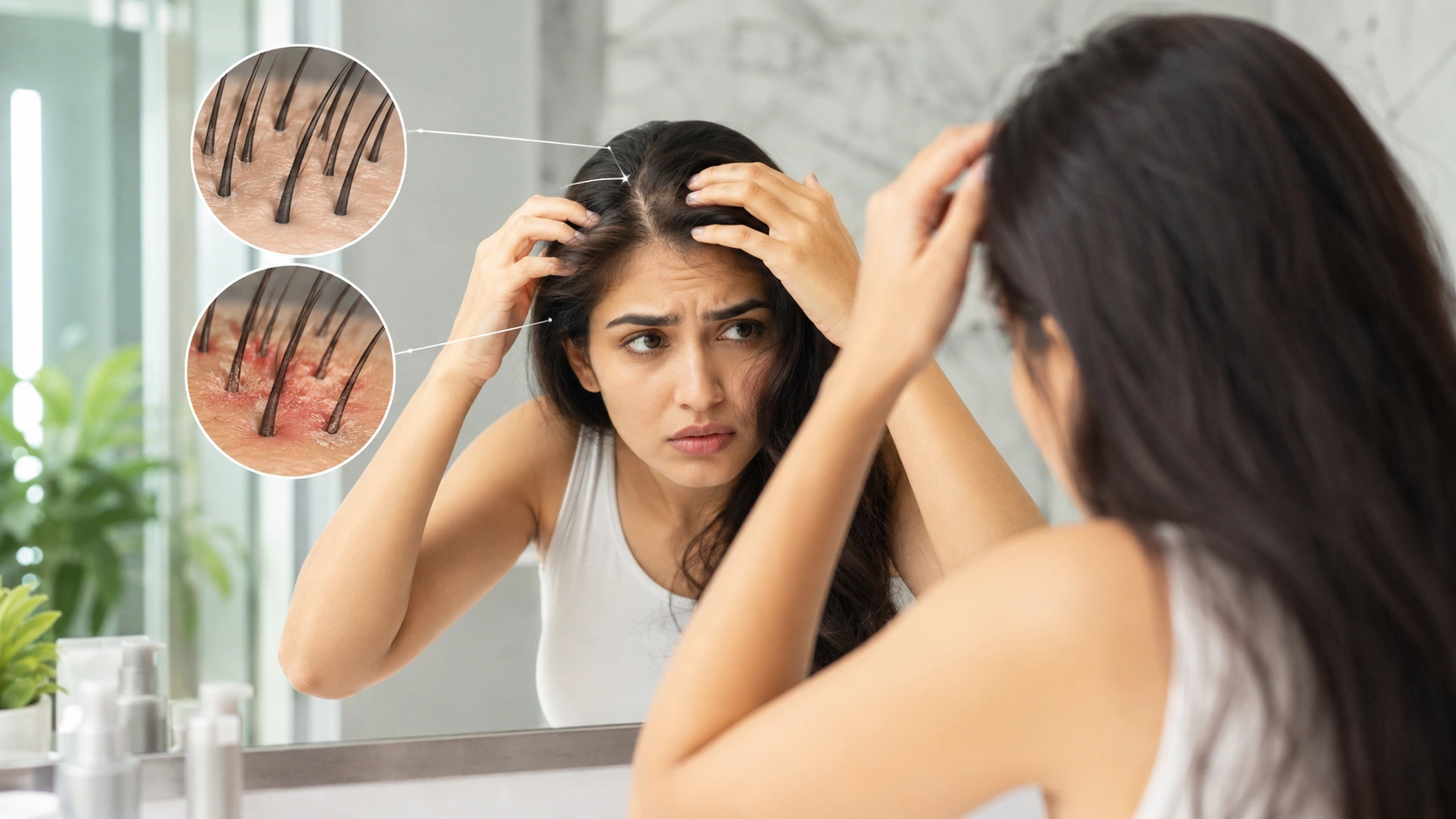
Intimate skin has a different pH, a different thickness, and a different moisture balance than the skin on most other body parts. It is more prone to irritation, more reactive to friction, and more vulnerable to post-inflammatory hyperpigmentation , the type of darkening that happens after repeated irritation or inflammation. This is why intimate area pigmentation treatment requires a more thoughtful approach than treating facial or body pigmentation.
This is also why many brightening ingredients that work well on arms or faces can cause problems in intimate areas. Strong acids, high-concentration vitamin C, or harsh exfoliants can strip the skin’s protective layer, cause micro-inflammation, and actually worsen pigmentation over time.
Alpha arbutin is a glycoside , meaning it is bound to a glucose molecule , which allows it to work more slowly and gently than pure hydroquinone, which it structurally resembles. The slower release is an advantage for sensitive intimate skin because it causes less surface irritation while still delivering meaningful brightening over time.
Why Intimate Area Pigmentation Is So Common
The intimate area gets dark for a combination of reasons, most of which have nothing to do with hygiene or health problems:
- Constant friction from movement and clothing
- Hormonal changes during puberty, pregnancy, and with certain hormonal conditions
- Sweating and moisture retention, which increases bacterial activity and skin inflammation
- Post-inflammatory response to shaving, waxing, or other hair removal methods
- Tight or synthetic fabrics that rub and trap heat
All of these triggers increase melanin production. Over time, this leads to uneven skin tone in intimate areasthat many people feel self-conscious about, even though it is completely normal and extremely common.
Why Alpha Arbutin Works Better for Intimate Skin Than Other Brighteners
Several brightening ingredients are commonly used for pigmentation removal for intimate areas, but alpha arbutin for intimate pigmentation stands out for specific reasons. In fact, understanding how does alpha arbutin reduce pigmentation in intimate areas helps explain why it is considered one of the safest and most effective options for sensitive skin.
Hydroquinone is effective but is associated with skin irritation, ochronosis , a bluish-black discoloration with long-term use , and is restricted or banned in many countries. It is not recommended for long-term use on sensitive skin.
Kojic acid can be effective but causes contact dermatitis in some people, especially in sensitive areas. At higher concentrations, it can cause stinging or redness that worsens the situation.
Vitamin C is excellent for brightening but oxidizes quickly and requires precise formulation to remain stable. It also tends to sting on broken or highly sensitive skin.
Alpha arbutin sits in a sweet spot , it is stable, gentle, effective, and well-tolerated even on sensitive intimate skin. At concentrations of 1 to 2%, it delivers visible alpha arbutin skin brightening benefits without the baggage that comes with stronger alternatives.
How Alpha Arbutin Works on Dark Skin , The Science Made Simple
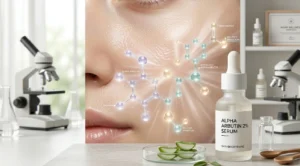
Understanding how alpha arbutin works on dark skin does not require a chemistry degree. In fact, understanding how does alpha arbutin reduce pigmentation in intimate areas becomes much easier once you know how melanin is produced in the skin. Melanin , the pigment responsible for skin color , is produced by specialized cells called melanocytes. These cells produce melanin through a series of reactions triggered by an enzyme called tyrosinase.
When skin experiences trauma , friction, inflammation, UV exposure, hormonal changes , tyrosinase becomes more active, producing more melanin than normal. Alpha arbutin inhibits this enzyme, essentially reducing the signal that tells cells to overproduce pigment.
The result is not an immediate dramatic lightening, but a gradual, consistent reduction in melanin production. As pigmented skin cells naturally shed and are replaced, the new cells contain less excess melanin , giving the skin a more even, brighter tone over time.
How to Use Alpha Arbutin Effectively on Intimate Areas
For alpha arbutin for intimate pigmentation to actually work, consistency matters far more than concentration. Applying it once or twice and expecting dramatic changes is how most people get disappointed with skincare in general.
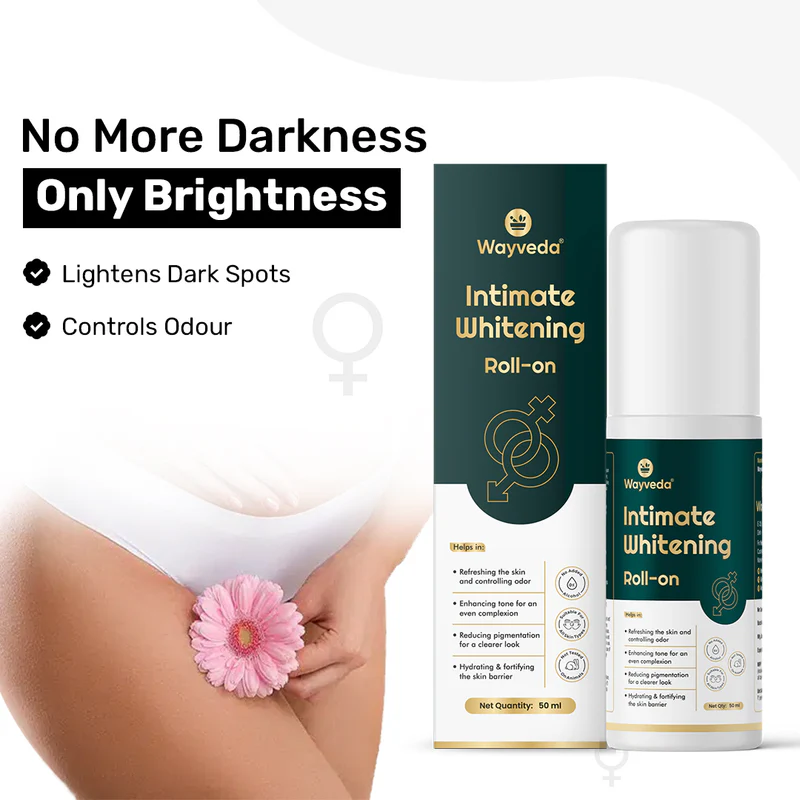
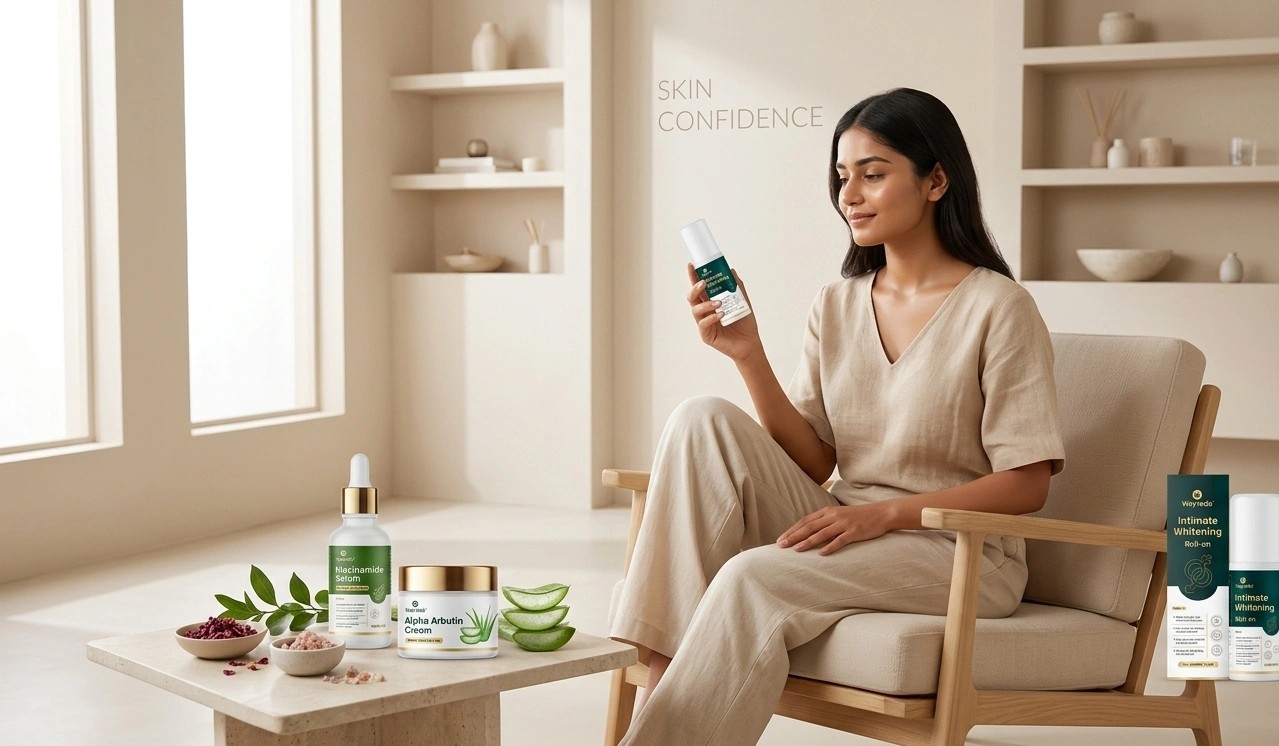
The best approach is to use a product formulated specifically for intimate skin , not a generic face serum , because the pH, texture, and delivery format matter. The Wayveda Intimate Whitening Roll-On contains alpha arbutin as a key ingredient, formulated specifically for use on inner thighs, intimate folds, and underarms. The roll-on format ensures even, mess-free application directly to the skin.
Read More: Why Do Men Feel Tired Even After Proper Rest?
What to Pair Alpha Arbutin With for Better Results
Alpha arbutin works well in combination with other gentle actives to reduce intimate darkness naturally:
- Niacinamide , reduces inflammation, strengthens the skin barrier, and complements alpha arbutin’s brightening action
- Hyaluronic acid , adds hydration, which keeps intimate skin supple and less prone to further darkening from dryness
- Gentle exfoliation with AHAs at low concentrations , removes already-pigmented dead skin cells, allowing new lighter cells to surface
Avoid pairing alpha arbutin with vitamin C in the same application , they can interfere with each other. Apply one in the morning and the other at night if using both.
Read More: 7 Masturbation Mistakes Affecting Sex Life
The Right Expectations , What Alpha Arbutin Can and Cannot Do
Being realistic about what alpha arbutin skin brightening benefits look like in practice is important. It will gradually reduce excess pigmentation in intimate areas. It will even skin tone over consistent use. It will prevent further darkening when the cause is inflammation-related.
What it will not do is completely reverse deep pigmentation caused by years of friction overnight, or change your natural skin tone. It works within the boundaries of what your skin naturally does , reducing excess melanin production without lightening normal, healthy pigmentation.
For people dealing with severe or very deep intimate pigmentation, pairing alpha arbutin with regular gentle exfoliation and lifestyle changes , breathable clothing, reducing friction, staying hydrated , gives the best cumulative result.
Frequently Asked Questions
How long does alpha arbutin take to reduce intimate pigmentation?
Most people see noticeable improvement in 4 to 8 weeks of daily use. Deeper or long-standing pigmentation may take up to 3 months of consistent application.
Is alpha arbutin safe for everyday use on intimate skin?
Yes. At concentrations of 1 to 2%, alpha arbutin is considered safe and gentle for daily use on sensitive skin, including intimate areas.
Can alpha arbutin replace hydroquinone for intimate pigmentation?
For most cases of mild to moderate pigmentation, alpha arbutin is a safer and gentler alternative to hydroquinone, with fewer risks of irritation or long-term side effects.
What is the best way to apply alpha arbutin on intimate areas?
A roll-on format is ideal because it allows precise, even application without mess. Cleanse the area first, apply the product, let it absorb, and follow with a moisturizer.
Does the Wayveda Intimate Whitening Roll-On contain alpha arbutin?
Yes, it is one of the key brightening ingredients in the formulation, designed specifically for use on intimate and inner thigh areas.