Many people notice that the skin in intimate areas is darker than the rest of the body, and understanding the factors affecting pigmentation in intimate areas can help you take better care of your skin and avoid unnecessary worry
In this article, we will explain everything in very simple and easy language. You will learn why pigmentation happens, what causes it, and how you can manage it in a safe and natural way.
What Is Pigmentation in Intimate Areas?
Pigmentation simply means the color of your skin. It is controlled by a pigment called melanin.
In intimate areas, the skin may become darker due to:
- Friction
- Hormonal changes
- Skin conditions
- Lifestyle factors
This is why understanding the factors affecting pigmentation in intimate areas is important for proper care.
Why Intimate Areas Are More Prone to Pigmentation?
To better understand the factors affecting pigmentation in intimate areas, it is important to know why these areas are more sensitive and prone to color changes.
The skin in intimate areas is more sensitive and delicate compared to other parts of the body.
Because of this:
- It reacts faster to irritation
- It produces more melanin when stressed
- It gets affected by moisture and friction easily
This leads to causes of dark skin in private areas, which are often natural and harmless.

Role of Melanin in Skin Color
Melanin is the pigment that gives color to your skin.
- More melanin = darker skin
- Less melanin = lighter skin
When the skin is irritated or exposed to stress, it produces more melanin as a protective response. This process is known as hyperpigmentation in sensitive areas.
Major Factors Affecting Pigmentation in Intimate Areas
There are several important factors affecting pigmentation in intimate areas, including friction, hormonal changes, skin conditions, and daily lifestyle habits.
1. Friction and Skin Rubbing
Friction is one of the most common reasons behind pigmentation.
It happens due to:
- Tight clothing
- Skin-to-skin rubbing
- Physical activities like walking or exercising
Continuous rubbing irritates the skin, and the body responds by producing more melanin. This leads to friction and skin darkening.
Over time, this becomes one of the biggest factors affecting pigmentation in intimate areas.
2. Hormonal Changes
Hormones play a major role in skin color.
Changes in hormones can happen due to:
- Puberty
- Pregnancy
- Menstrual cycle
- Medical conditions
These changes can increase melanin production, leading to hormonal changes and pigmentation.
Hormonal imbalance is a very common and natural cause of pigmentation in intimate areas.
3. Skin Conditions and Infections
Certain skin conditions can also lead to pigmentation.
Examples include:
- Fungal infections
- Rashes
- Allergies
- Skin irritation
After the skin heals, it may leave behind dark patches. This is known as post-inflammatory pigmentation, a type of hyperpigmentation in sensitive areas.
4. Hair Removal Methods
Hair removal can also affect skin color.
Common methods include:
- Shaving
- Waxing
- Hair removal creams
If not done properly, these methods can cause irritation and lead to causes of dark skin in private areas and Causes of Dark Intimate Areas in Women.
Repeated irritation increases pigmentation over time.
5. Poor Hygiene or Excess Moisture
Intimate areas are often warm and moist, which can lead to:
- Sweat accumulation
- Bacterial growth
- Skin irritation
Poor hygiene or excessive moisture can worsen intimate area skin discoloration.
6. Obesity and Skin Folds
People with higher body weight may experience more skin rubbing.
This leads to:
- Increased friction
- Sweat retention
- Skin irritation
All these contribute to friction and skin darkening, making it one of the major factors affecting pigmentation in intimate areas.
7. Use of Harsh Products
Using strong soaps or chemical products can damage sensitive skin.
These products can:
- Strip natural oils
- Cause dryness
- Trigger irritation
This results in increased melanin production and intimate area skin discoloration.
8. Genetic Factors
Sometimes pigmentation is natural and inherited.
- Some people naturally have darker intimate areas
- It depends on skin type and genetics
This is completely normal and not a health issue.
Is Pigmentation in Intimate Areas Normal?
Yes, it is completely normal.
Most people have some level of pigmentation in intimate areas. It does not mean there is a problem.
Understanding the factors affecting pigmentation in intimate areas helps you differentiate between normal and abnormal changes.
When Should You Be Concerned?
You should consult a doctor if you notice:
- Sudden dark patches
- Itching or pain
- Thickened skin
- Unusual odor or discharge
These could be signs of underlying skin conditions.
How to Prevent Pigmentation in Intimate Areas?
You can reduce pigmentation by following simple steps.
1. Wear Loose and Comfortable Clothing
- Choose breathable fabrics
- Avoid tight underwear
This reduces friction and skin darkening.
2. Maintain Proper Hygiene
- Keep the area clean and dry
- Change clothes after sweating
This helps prevent intimate area skin discoloration.
3. Use Gentle Products
- Avoid harsh soaps
- Use mild cleansers
This protects against irritation and hyperpigmentation in sensitive areas.
4. Choose Safe Hair Removal Methods
- Use proper techniques
- Avoid frequent shaving
This reduces causes of dark skin in private areas.
5. Maintain Healthy Weight
Reducing excess weight helps minimize skin friction and sweating.
Natural Ways to Manage Pigmentation
While complete removal may not always be possible, you can improve skin tone naturally.
1. Keep Skin Moisturized
- Prevents dryness
- Reduces irritation
2. Stay Hydrated
Drinking enough water improves overall skin health.
3. Eat Healthy Foods
- Include fruits and vegetables
- Avoid junk food
This supports hormonal changes and pigmentation balance.
4. Avoid Excess Heat and Sweat
- Stay cool
- Wear breathable clothes
This helps control intimate area skin discoloration and use Natural Remedies for Underarm Sweating .
Common Myths About Intimate Pigmentation
Let’s clear some common myths:
- Dark skin in intimate areas is not always a problem
- It is not always due to poor hygiene
- It does not always need treatment
Understanding the factors affecting pigmentation in intimate areas helps remove these misconceptions.
Conclusion
The factors affecting pigmentation in intimate areas are many, including friction, hormonal changes, skin conditions, and lifestyle habits. In most cases, this pigmentation is completely normal and not a cause for concern.
Simple factors like tight clothing, sweating, and hair removal can lead to gradual darkening of the skin. Hormonal changes and genetics also play a big role in determining skin color in these areas.
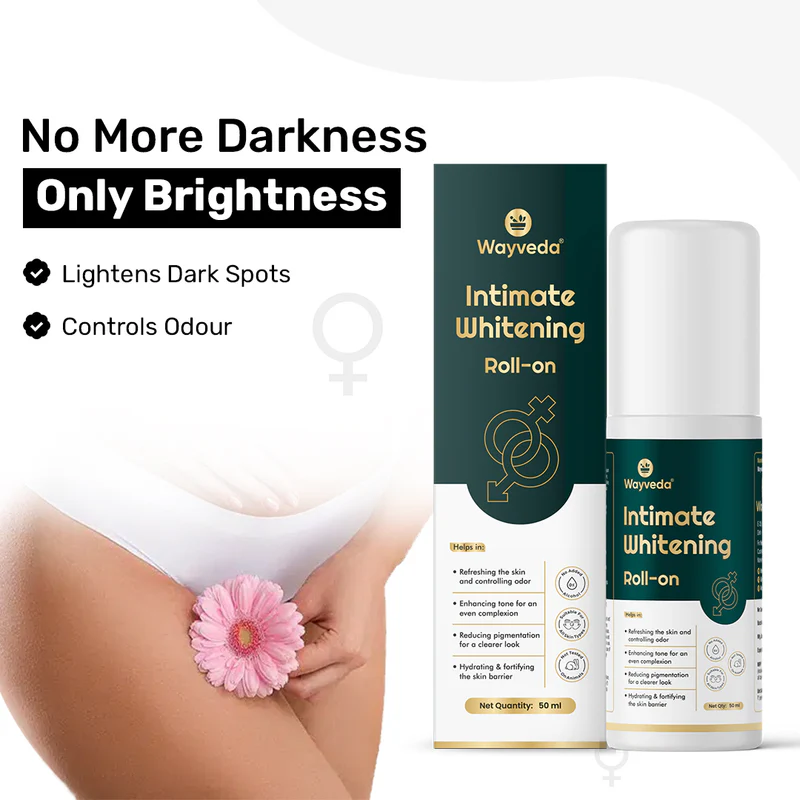
The good news is that with proper care, hygiene, and healthy habits, you can manage and reduce pigmentation to some extent. It is important to treat your skin gently and avoid harsh products or practices and use the best Wayveda Intimate Whitening Roll-On.
Always remember that every body is different, and slight variations in skin tone are natural. If you notice unusual symptoms, consulting a doctor is the best step.
Taking care of your skin with awareness and simple steps can help you maintain both confidence and comfort.
FAQs
1. Is pigmentation in intimate areas normal?
Yes, pigmentation in intimate areas is completely normal and common. It happens due to natural factors like friction, hormones, and genetics, and usually does not require treatment.
2. Can friction really cause darkening of the skin?
Yes, continuous friction irritates the skin and increases melanin production. Over time, this leads to visible darkening, especially in sensitive areas.
3. Do hormonal changes affect skin color in private areas?
Yes, hormonal changes can increase melanin production, leading to darker skin. This is common during puberty, pregnancy, and other hormonal shifts.
4. Can pigmentation be removed completely?
In most cases, pigmentation cannot be completely removed, but it can be reduced with proper care, hygiene, and gentle treatments.
5. When should I see a doctor for pigmentation?
You should consult a doctor if pigmentation is sudden, painful, itchy, or accompanied by other symptoms like rashes or discharge.
Focus
factors affecting pigmentation in intimate areas
LSI Keyword
- causes of dark skin in private areas
- hyperpigmentation in sensitive areas
- friction and skin darkening
- hormonal changes and pigmentation
- intimate area skin discoloration