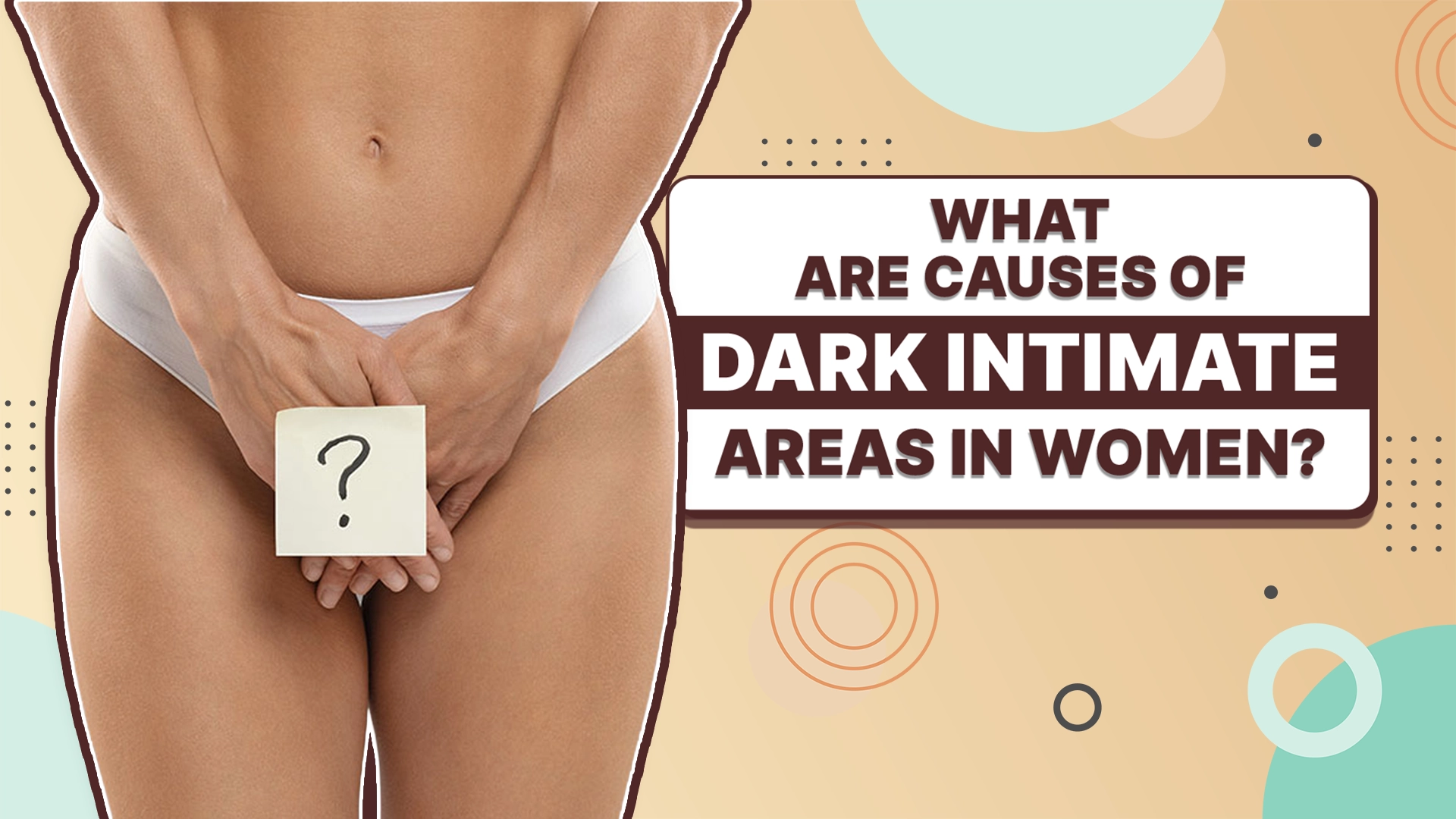
Many women notice that their skin around their intimate parts is becoming darker over time. This may cause worry, as well as embarrassment and confusion. Women may think it’s an indication of bad hygiene. Others believe there’s something not right in their bodies. However, in the majority of cases, it’s normal.
In this article, we’ll detail the causes of dark intimate areas in women in an extremely simple and lucid language. You’ll know why this happens and what causes it, as well as the factors that cause it and when it is time to consult a physician. The guide has been written with a simple, human style so that anyone will be able to understand the information without confusion.
Is Darkening of Intimate Areas Normal?
In most cases, it’s normal.
Bikiniline skin inside the thighs, as well as the vaginal areas, is naturally more pigmented than the other areas in the human body. It is because these regions have more melanocytes. Melanocytes are the cells that create melanin, which is the pigment that gives skin its colour.
Many women go online to find out the causes of dark intimate areas in women; however, they don’t realize that a certain degree of pigmentation is totally healthy and completely natural.
The tone of the skin in intimate areas may be:
- Brown
- Dark brown
- Very light purple
- Much darker than the other parts of the body
It doesn’t mean that there’s any issue.
Main Causes of Dark Intimate Areas in Women
We must now be aware of the most important causes of dark intimate areas in women. Many causes can cause dark areas. Most of them are not harmful.
1. Hormonal Changes
Hormones play an important part in the pigmentation of skin.
During:
- Puberty
- Pregnancy
- Menstrual cycles
- Menopause
Hormone levels change. The changes in hormone levels increase melanin production. This may cause darker skin tones in the intimate areas.
It is one of the most common causes of dark intimate areas in women. Particularly during pregnancy, a large number of women experience increased pigmentation caused by hormonal and progesterone-related changes.
2. Friction and Tight Clothing
The constant friction is another main reason.
The tightness of jeans or leggings, as well as synthetic underwear, results in friction with the skin. This friction, over and over, triggers increased melanin production.
In time, this may cause hyperpigmentation on the private parts of the body.
Common friction causes are:
- Close-fitting clothing
- Walking for long hours
- Training without breathable fabrics
- The excess weight can cause the skin to rub
Friction-related skin pigmentation is one of the main causes of dark intimate areas in women in the present.
3. Shaving and Hair Removal
Shaving frequently can irritate the skin.
After shaving:
- The skin’s top layer is slightly damaged
- Hair roots are still in the skin
- Ingrown hairs can grow
The area may appear darker. Chemical hair removal and waxing creams can also irritate.
In time, the repeated irritation causes the skin to become darker in the bikini line.
4. Hormonal Disorders
Certain medical conditions may also cause pigmentation.
A common condition is Acanthosis Nigricans, a condition that is connected with insulin resistance. It may cause the skin to become dark and thickened in places like:
- The inner thighs
- Groin
- Neck
- Underarms
In these instances, the issue that reasons for dark, intimate areas for women could be a result of metabolic issues.
If the darkening is sudden and thick, medical advice is essential.
5. Obesity and Insulin Resistance
Being overweight can cause skin irritation and hormonal imbalance.
The extra weight can cause:
- More sweating
- More friction
- Insulin resistance
This can cause hyperpigmentation of the private parts.
Insulin resistance can also be linked to hormonal imbalances, which cause melanin production to increase.
6. Aging
As women age, their skin alters naturally.
Melanin production could increase unevenly. The skin could appear thinner and slightly darker in specific locations.
Ageing is a common cause of dark underarms in women.
7. Genetics
Sometimes, it’s simply genetic.
If your maternal or other female relative has darker areas in their intimate areas, you could also be suffering from similar skin coloration.
Genetics is among the natural factors that causes of dark intimate areas in women and does not usually require treatment.
8. Poor Ventilation and Sweating
Intimate areas remain uncovered most of the time.
The excess sweating of a person can lead to:
- Skin irritation
- Bacterial growth
- Mild inflammation
In time, this can cause vaginal pigmentation.
Breathable underwear made of cotton can lessen the severity of this issue.
9. Use of Harsh Products
Women who use
- Scented soaps
- Strong scrubs
- Chemically whitening creams
These products can irritate the skin’s delicate zones. The irritation causes more pigmentation to appear over time.
It is among the reasons that causes of dark intimate areas in women
When Is Darkening a Medical Concern?
In most cases, darkening is normal. Sometimes, medical attention is required.
Consult a doctor if you notice:
- Skin that is thick and velvety
- Sudden dark patches
- Pain and itching
- Foul smell or discharge
These signs could be a sign of underlying Acanthosis nigricans, which can cause an infection.

How to Prevent Further Darkening Naturally
We will now discuss simple and safe ways to reduce causes of dark intimate areas in women
1. Wear Loose and Cotton Clothing
Cotton lets air circulate.
Avoid:
- Very tight pants
- Synthetic fabrics
- Fitting gym clothes for long days
Reducing friction can reduce hyperpigmentation of the private parts.
2. Maintain a Healthy Weight
A healthy weight can reduce:
- Friction
- Insulin resistance
- Hormonal imbalance
This assists in reducing some of the major causes of dark intimate areas in women
3. Avoid Harsh Chemicals
Make use of mild, fragrance-free cleaners.
Do not apply bleaching creams or products without a medical recommendation. The intimate areas are sensitive and require gentle treatment.causes of dark intimate areas in women
4. Moisturize Regularly
Dry skin can irritate easily.
Apply gentle moisturizers to help maintain the skin barrier and minimize irritation.
5. Improve Hormone Balance
Healthy lifestyle habits support hormone health:
- Balanced diet
- Regular exercise
- Sleeping properly
- Management of stress
These practices help to reduce vaginal pigmentation due to hormonal imbalance.
Can Dark Intimate Areas Be Lightened?
A lot of women inquire whether it’s possible to reduce the size of their breasts.
Mild pigmentation may improve by:
- Proper skincare
- Reducing friction
- How to manage the weight
- The treatment of hormone imbalance
However, it is essential to realize that a certain level of darkness is normal.
Excessive whitening treatments may harm the skin.causes of dark intimate areas in women
Emotional Impact of Intimate Area Darkening
Many women are anxious due to this problem.
They may experience:
- Embarrassed
- A little less confident
- Be concerned about the opinion of your partner
- causes of dark intimate areas in women
However, remember that intimate region pigmentation is common. Each woman’s physique is unique. Comparing yourself to edited images from social networks can lead to unnecessary anxiety.
Knowing the causes of dark intimate areas in women can help to reduce anxiety.

Conclusion
Darkening of the intimate area is commonplace and is completely normal. The primary factors that cause dark intimate areas in women are hormonal changes, as well as friction, shaving, weight gain, genetics, and age. In the majority of cases, no disease requires treatment.
Intimate skin naturally has more pigment. Hormones, particularly during pregnancy and puberty, can boost melanin production. Friction caused by tight clothing and the repeated removal of hair can cause hyperpigmentation of the private areas. The presence of medical conditions such as insulin resistance can also cause it in certain instances.
Instead of being embarrassed, it’s important to realize that everybody is different. A gentle touch, breathable clothing, a healthy lifestyle, and avoidance of harsh chemicals can aid in maintaining the health of your skin. If you notice a sudden increase in darkening or the appearance of thickened skin, medical advice must be sought.
Confidence is based on understanding the body. Dark intimate areas are generally safe and natural.
Read More : How to Whiten Dark Private Areas Safely: Dermatologist-Backed Tips & Home Remedies
Frequently Asked Questions (FAQs)
1. Do you have to be normal to have lighter skin in the intimate area?
It is normal. The intimate region naturally contains more abundant melanin, making it darker than other body areas. The most common causes of dark intimate areas in women are a result of hormones, friction, and genetics.
2. Does shaving cause darkening in the bikini line?
Regular shaving can irritate the skin and trigger irritation. Over time, irritation may lead to causes of dark intimate areas in women. Applying gentle techniques and properly moisturizing your skin can lessen the result.
3. Do you think that pregnancy can cause vaginal coloration?
Yes, the hormonal fluctuations during pregnancy boost melanin production. This may cause vaginal coloration that is generally normal and can decrease after the birth.
4. When should I visit an ophthalmologist for dark, intimate areas?
It is recommended to consult a physician in the event that your skin becomes difficult to move, itchy, painful, or suddenly dark. It could be related to the acanthosis nigricans cause, as well as other health conditions that require intervention.
5. Can the pigmentation of the intimate area be eliminated?
Certain pigmentation issues can be improved by the right care and lifestyle changes. However, eliminating natural pigmentation is rarely an option or even needed. The emphasis should be on a healthy, glowing skin instead of excessive bleaching.causes of dark intimate areas in women