Body odor is something almost everyone experiences at some point. It can feel embarrassing, but the truth is,it’s completely natural. What many people don’t understand is that sweat itself does not smell bad. The real reason behind odor is the way sweat interacts with bacteria on the skin.
In this article, we will explain in very simple and easy language how sweat and bacteria interaction leads to body odor, what causes it, and how you can manage it effectively.
Sweat and bacteria interaction leads to body odor when bacteria break down sweat into odor-causing compounds. Sweat itself is odorless, but areas with apocrine glands and more bacteria produce stronger smells. Proper hygiene, diet control, and breathable clothing help reduce body odor effectively.
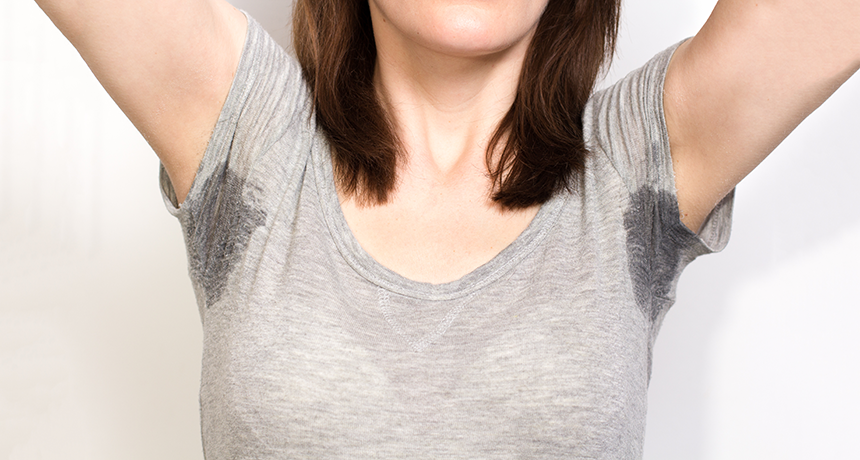
What Is Body Odor?
Body odor refers to the unpleasant smell that comes from the body, especially from areas like:
- Underarms
- Feet
- Groin area
This smell is mainly caused by the sweat and bacteria interaction leads to body odor, not sweat alone.
Sweat is actually odorless when it is first produced. The smell develops later when bacteria break it down and Best Roll-On for Intimate Whitening Works Better Than Creams for Intimate Whitening.
What Is Sweat and Why Do We Sweat?
Sweat is a natural fluid produced by sweat glands.
Its main functions are:
- Cooling the body
- Regulating temperature
- Removing small amounts of waste
This process is known as sweating and body odor science, where sweating itself is normal and healthy.
Types of Sweat Glands in the Body
There are two main types of sweat glands:
1. Eccrine Glands
- Found all over the body
- Produce watery sweat
- Help in cooling
This type of sweat usually does not smell.
2. Apocrine Glands
- Found in underarms and groin
- Produce thicker sweat
- Become active during puberty
This sweat contains proteins and fats, which bacteria love to break down. This is where sweat and bacteria interaction leads to body odor becoming important.
How Sweat and Bacteria Interaction Leads to Body Odor
Let’s understand this in a very simple step-by-step way.
- Sweat is released from apocrine glands
- Sweat reaches the skin surface
- Bacteria present on the skin start breaking it down
- This breakdown produces odor-causing compounds
- These compounds create body odor
So, the real reason is not sweat, but the bacteria causing body odor.
This explains clearly how sweat and bacteria interaction leads to body odor in a scientific yet simple way.
Role of Skin Bacteria in Body Odor
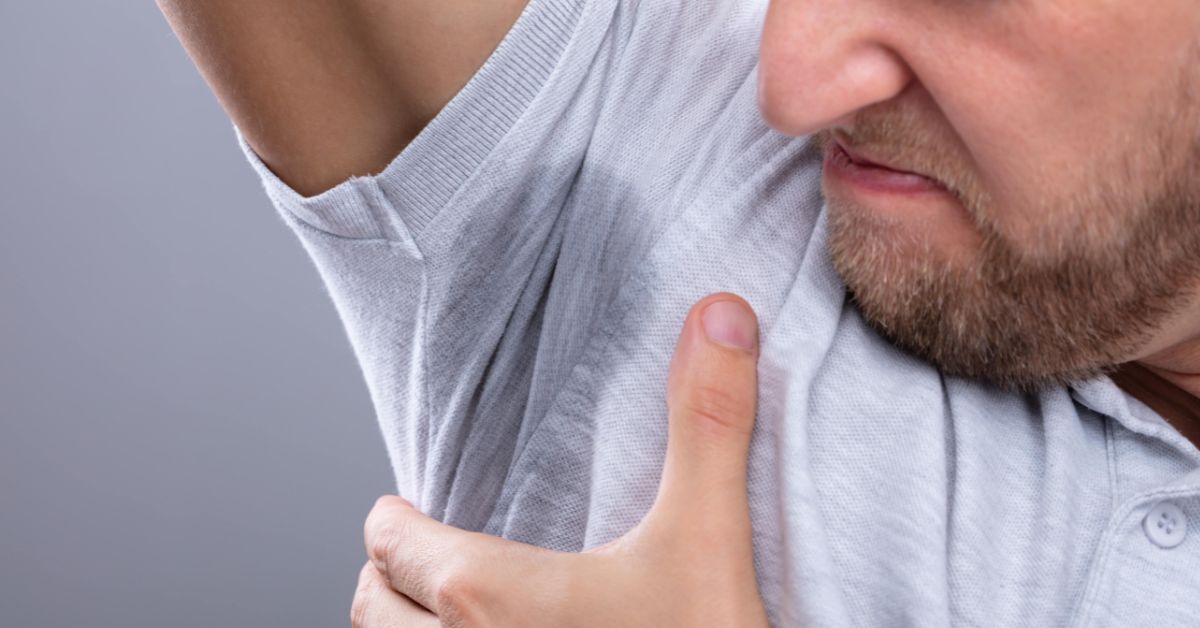
Our skin naturally has millions of bacteria. Most of them are harmless.
But when they interact with sweat:
- They feed on proteins and fats
- They break them into acids
- These acids produce a bad smell
This is the main mechanism behind body odor causes and prevention and Underarm Sweating Causes and How Can You Control It.
Why Some Areas Smell More Than Others
Certain areas of the body smell more because:
- They have more apocrine glands
- They trap sweat easily
- They are warm and moist
These conditions are perfect for skin bacteria and sweat reaction, leading to stronger odor.
Factors That Increase Body Odor
Several factors can make body odor stronger.
1. Poor Hygiene
- Not bathing regularly
- Wearing dirty clothes
This allows bacteria to grow, increasing bacteria causing body odor.
2. Excess Sweating
More sweat means more food for bacteria.
This increases the chances of sweating and body odor science becoming more noticeable.
3. Diet Choices
Certain foods can affect body odor:
- Spicy foods
- Garlic and onions
- Processed foods
These can change the smell of sweat and increase body odor causes and prevention concerns.
4. Hormonal Changes
Hormones can affect sweat production.
- Puberty
- Stress
- Medical conditions
These changes increase skin bacteria and sweat reaction.
5. Tight Clothing
- Traps sweat
- Reduces airflow
This creates a perfect environment for bacteria and leads to natural ways to reduce body odor becoming necessary.
Scientific Explanation of Odor Formation
From a scientific point of view:
- Sweat contains proteins, lipids, and salts
- Bacteria break these into volatile compounds
- These compounds produce odor
This process explains sweat and bacteria interaction leads to body odor scientifically.
Why Some People Have Stronger Body Odor
Not everyone smells the same.
Factors include:
- Genetics
- Hygiene habits
- Diet
- Hormone levels
These differences affect how bacteria causing body odor works in each person.
How to Reduce Body Odor Naturally
You can manage body odor with simple steps.
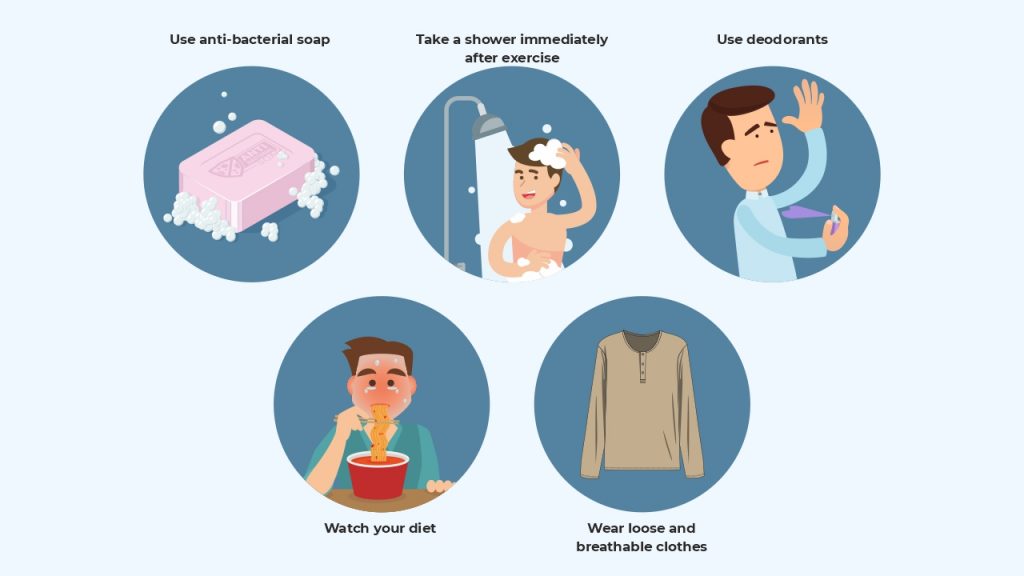
1. Maintain Good Hygiene
- Bathe daily
- Clean sweat-prone areas
This reduces body odor causes and prevention issues.
2. Wear Clean and Breathable Clothes
- Choose cotton fabrics
- Avoid tight clothes
This helps control skin bacteria and sweat reaction.
3. Use Antibacterial Products
- Mild soaps
- Deodorants
These help reduce bacteria causing body odor.
4. Stay Hydrated
Drinking water helps regulate sweating and improves natural ways to reduce body odor.
5. Watch Your Diet
- Eat fresh foods
- Reduce strong-smelling foods
This helps control sweating and body odor science.
Medical Conditions Related to Body Odor
Sometimes, body odor may be linked to medical issues.
Examples include:
- Hyperhidrosis (excess sweating)
- Infections
- Metabolic disorders
If odor is very strong or unusual, it is important to consult a doctor.
Common Myths About Body Odor
Let’s clear some myths:
- Sweat alone does not smell
- Expensive products are not always necessary
- Body odor is not always due to poor hygiene
Understanding sweat and bacteria interaction leads to body odor helps remove these misconceptions.
Simple Daily Routine to Prevent Body Odor
You can follow a basic routine:
- Shower daily
- Dry your body properly
- Wear clean clothes
- Use deodorant if needed
These steps help manage natural ways to reduce body odor effectively.
Conclusion
Understanding how sweat and bacteria interaction leads to body odor helps us see that body odor is a natural process, not something to feel ashamed about. Sweat itself is odorless, but when it mixes with bacteria on the skin, it creates smell-causing compounds.
Factors like hygiene, diet, hormones, and clothing can increase or reduce body odor. The good news is that with simple daily habits, it can be easily managed.
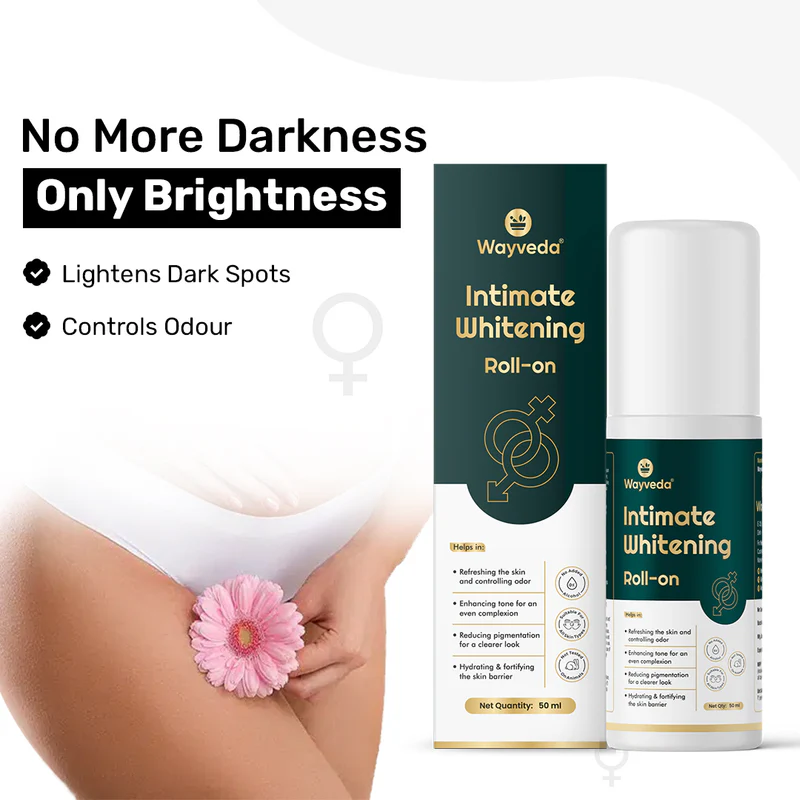
Maintaining cleanliness, wearing breathable clothes, and staying hydrated are some of the easiest ways to control odor is Wayveda Intimate Whitening Roll-On. In most cases, body odor is normal, but if it becomes too strong or unusual, medical advice should be taken.
By understanding the science behind it, you can take better care of your body and stay confident in your daily life.
FAQs
1. Does sweat itself cause body odor?
No, sweat itself is odorless. The smell develops when bacteria break down sweat into acids, which produce the odor.
2. Why do underarms smell more than other areas?
Underarms have more apocrine glands that produce thicker sweat. This sweat is easily broken down by bacteria, leading to stronger odor.
3. Can diet affect body odor?
Yes, foods like garlic, onions, and spicy dishes can change the smell of sweat. This can make body odor stronger in some people.
4. How can I reduce body odor naturally?
You can reduce body odor by maintaining hygiene, wearing clean clothes, staying hydrated, and eating a balanced diet.
5. When should I see a doctor for body odor?
You should consult a doctor if body odor is very strong, unusual, or does not improve with basic hygiene practices.