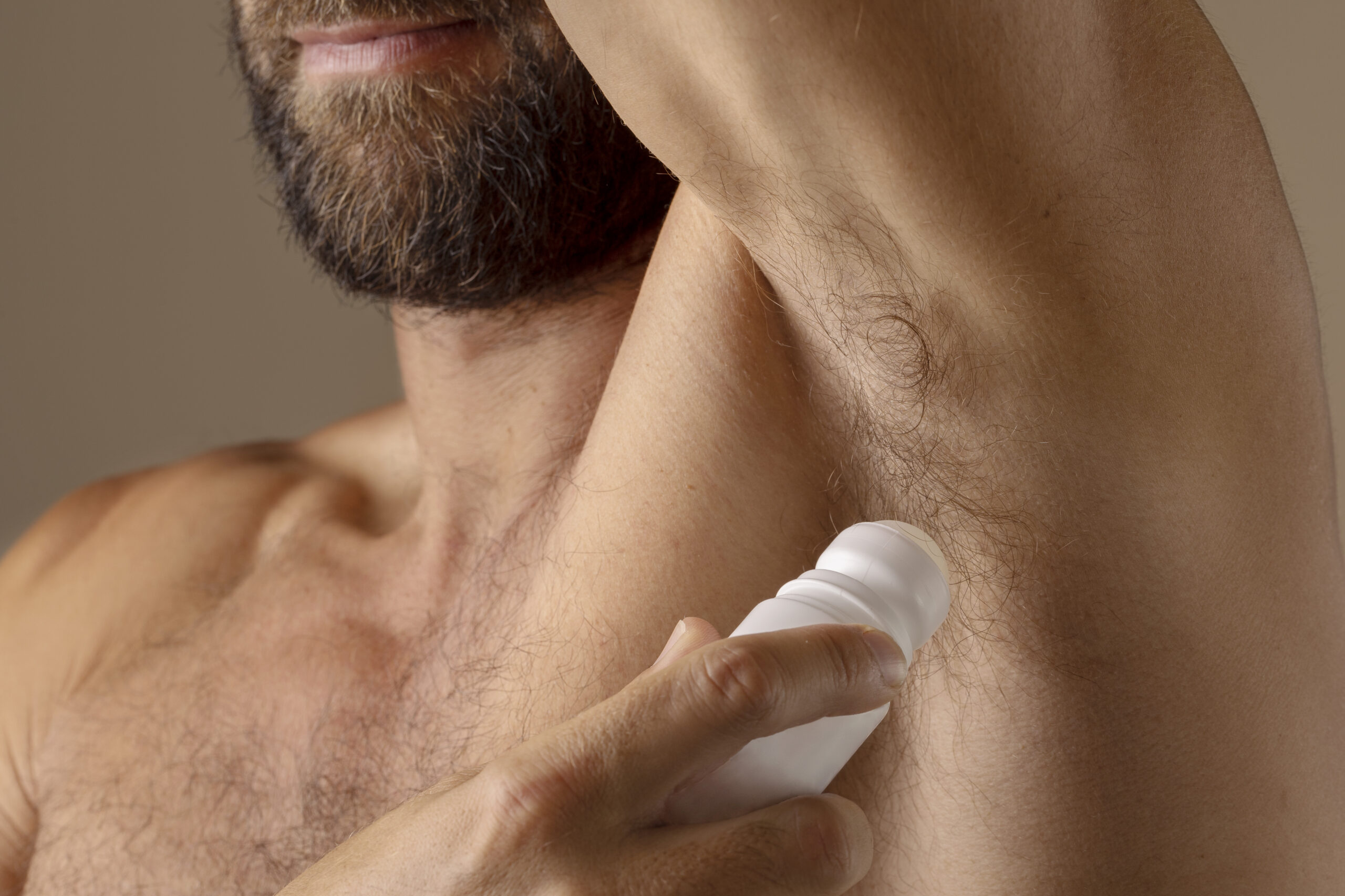
Darkening of the skin in sensitive areas is a typical issue for a lot of people. Particular areas like the underarms, the inner thighs, as well as intimate areas are often affected by darker skin pigmentation as time passes. This can affect both genders and is typically a result of daily habits that some people are not aware of.
Many people try various creams and treatments, but do not understand the actual causes of dark underarms and intimate areas. Indeed, even tiny lifestyle blunders and bad routines for skincare can eventually result in the development of the appearance of pigmentation in these areas.
Understanding the root causes behind dark areas under the arms and in the intimate area will help you avoid the issue and better treat their appearance. In this post, we’ll examine the top seven errors that can result in darkening of delicate areas, as well as the way these problems get worse over time.

Understanding Skin Darkening in Sensitive Areas
Sensitive skin areas have thinner skin compared to the rest of the body. Due to this, they respond quickly to friction, irritation, hormone changes, and chemicals.
If the skin is irritated frequently, it releases more melanin. Melanin is the primary pigment that gives skin its color. A higher production of melanin can cause pigmentation of the skin in the intimate zones, as well as underarms.
A lot of people believe that Top Natural Supplements for Improving Male Vitality and Physical Strength and darkening occurs only because of hygiene issues. However, this isn’t always the case. The true causes of dark underarms and intimate areas typically stem from everyday habits, skin imperfections, and environmental triggers.
Mistake 1: Frequent Shaving and Harsh Hair Removal
One of the main causes of dark underarms and intimate areas is frequent shaving. When you regularly shave with a razor, it causes small cuts and friction on the skin’s surface.
In time, this irritation may cause underarm skin pigmentation that causes inflammation and an increase in melanin production.
The use of hair removal creams and waxing may irritate the skin if it is sensitive.
Common problems caused by incorrect hair removal are:
- Redness and irritation of the skin
- An increase in dark thighs in the inner part of the thighs is due to friction
- Tiny cuts can trigger an increase in pigmentation
If the skin is trying to heal over and over, it could form darker patches on these regions.
Mistake 2: Wearing Tight Clothing
Close-fitting clothing can result in continuous friction against the skin. This can be one of the main causes of dark underarms and intimate areas.
The synthetic fabric used in clothing can also hold sweat and bacteria that could further irritate skin.
The effects of tight clothing can include:
- More sweating in areas of sensitivity
- Skin irritation caused by friction
- The development of underarm pigmentation is a result of in the course of the course of
The wearers of tight pants, tight jeans, or other synthetic garments might regularly notice a gradual darkening of these areas.
Mistake 3: Using Harsh Deodorants or Chemical Products
A number of deodorants and perfumes contain powerful chemicals. They might smell great, but they could irritate sensitive skin.
The sensitive skin areas are more susceptible to chemical reactions. As time passes, the reactions could cause dark underarms and intimate parts caused by frequent irritation.
Products for skin care that are harsh could result in:
- Skin inflammation
- Allergy reactions
- Progressive skin pigmentation, particularly in the intimate areas
Selecting products that are gentle on the skin is crucial to maintaining healthy skin.
Mistake 4: Poor Hygiene and Sweat Build-Up
The sweat itself is not the cause of dark skin. However, when sweat is mixed with bacteria, it could be irritating.
Underarms, for instance, and the inner thighs sweat more frequently than other body parts. If hygiene isn’t maintained in a proper manner, the skin can become dry and affected.
This irritation may cause underarm pigmentation and also other skin issues.
The most common hygiene errors can be a result of:
- Do not clean sweat-prone areas frequently
- Wearing clothes that have not been washed
- Allowing moisture to remain in the pores for extended durations
These habits can eventually result in dark underarms and intimate parts.

Mistake 5: Hormonal Changes
Hormones play an essential part in the skin’s pigmentation. Problems with hormone imbalances, pregnancies, or other medical issues may result in dark patches appearing on the face.
Hormonal changes can trigger melanin production, resulting in skin pigmentation that is more noticeable in the most intimate parts of the body.
This is the reason why some women notice their skin becoming darker when they are pregnant, during puberty, or during weight gain.
The hormonal factors that can cause pigmentation are:
- PCOS is a form of polycystic ovary syndrome. (PCOS)
- The hormonal changes that come with pregnancy
- Insulin resistance
These issues are often omitted; however, they could be the primary causes of dark underarms and intimate areas.
Mistake 6: Lack of Exfoliation
Dead skin cells accumulate over time, particularly if the skin is not cleansed. When dead skin cells build up over vulnerable regions, the skin can appear darker.
Gentle exfoliation can help remove these dead cells and also support good skin regeneration.
In the absence of proper exfoliation, individuals might be afflicted by:
- rough skin texture
- Visible dark thighs from dead skin building up
- Increased causes of dark underarms and intimate areas
However, exfoliation should be gentle, particularly in fragile areas.
Mistake 7: Obesity and Excess Skin Friction
The excess weight of the body can cause tension between the skin’s folds. This can lead to irritation and gradual fading of the skin.
Many overweight people have dark thighs because of repeated friction when walking.
Body movement can cause friction that could result in:
- Skin is becoming thicker
- Inflammation of sensitive areas
- Long-term causes of dark underarms and intimate areas
Being healthy and weight-bearing can lessen friction and prevent the skin from darkening.
How to Prevent Darkening in Sensitive Areas
To prevent darkening of the skin, it is a matter of simple lifestyle changes and improved practices for skin care.
Some useful practices include:
- Wearing loose, breathable clothing
- Using gentle skincare products
- Maintaining good hygiene
- Avoiding harsh hair removal techniques
How to Treat Dry Skin Without Using Heavy Creams measures can lessen irritation and reduce the causes of dark underarms and intimate areas.
Regular care and perseverance are crucial since skin pigmentation can take time to get better.
Simple Skincare Habits for Healthy Skin
A healthy routine for skincare can help maintain a consistent skin tone even in the most sensitive areas.
A few basic rules include:
- Moisturizing regularly
- Maintaining the skin clean and dry
- Use gentle exfoliation at times
- Beware of chemical products that are strong.
Simple practices can help reduce skin pigmentation, especially in sensitive areas, and help improve the overall health of your skin.
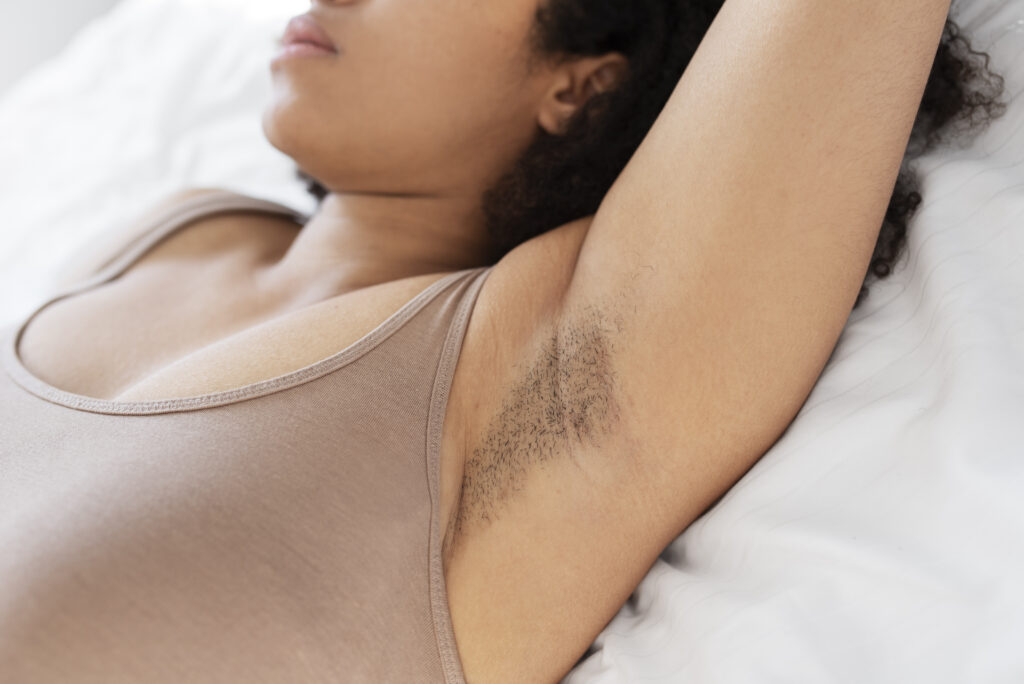
Conclusion
Darkening of vulnerable areas is a common issue that affects lots of people. Most of the time, it is due to daily habits rather than major health issues. The causes of dark underarms and intimate areas can be reduced by using intimate whitening cream are usually related to friction, rough hair removal products, chemical substances, bad hygiene, and hormonal fluctuations. Lack of exfoliation and excessive friction between the skin may also result in gradual skin pigmentation as time passes. It is crucial to understand the causes since prevention is a lot simpler than treating. Making small lifestyle changes and implementing gentle practices for skincare, people can take care of their skin from damage and lower the likelihood of having skin pigmentation. The proper treatment of areas of the skin that are sensitive helps to keep skin healthy and even-toned.
FAQs
1. Are there any frequent reasons for dark underarms and intimate zones?
The most prevalent causes of dark underarms and intimate areas are friction from tight clothes, frequent shaving, harsh chemicals, and hormonal changes. These triggers can irritate the skin and cause increased melanin production, resulting in dark patches.
2. Can shaving cause dark underarms?
Absolutely, frequent shaving may be a contributing factor to the pigmentation of the underarms due to the razor’s irritation and tiny skin wounds. In time, the repeated irritation could result in darker skin around the area under the arm.
3. What causes the inner thighs to become darker with time?
The most frequent causes of dark underarms and intimate areas are friction during walking, tight clothing, and sweat accumulation. These triggers can irritate the skin and trigger melanin production. This eventually causes the skin to become darker.
4. Does hormonal imbalance result in dark skin on the areas of intimacy?
Yes, hormonal imbalances could cause pigmentation of the skin in the intimate regions due to certain hormones stimulating melanin production. Conditions such as PCOS or pregnancy insulin resistance can make it more likely that the skin becomes darker.
5. How can one stop the darkening of sensitive areas?
Avoiding the reasons behind deep underarms that are dark and in intimate regions is about maintaining hygiene and wearing breathable clothing, using mild skin care products, and staying away from the use of harsh methods to remove hair. A consistent routine of skincare will keep your skin healthy and evenly toned.