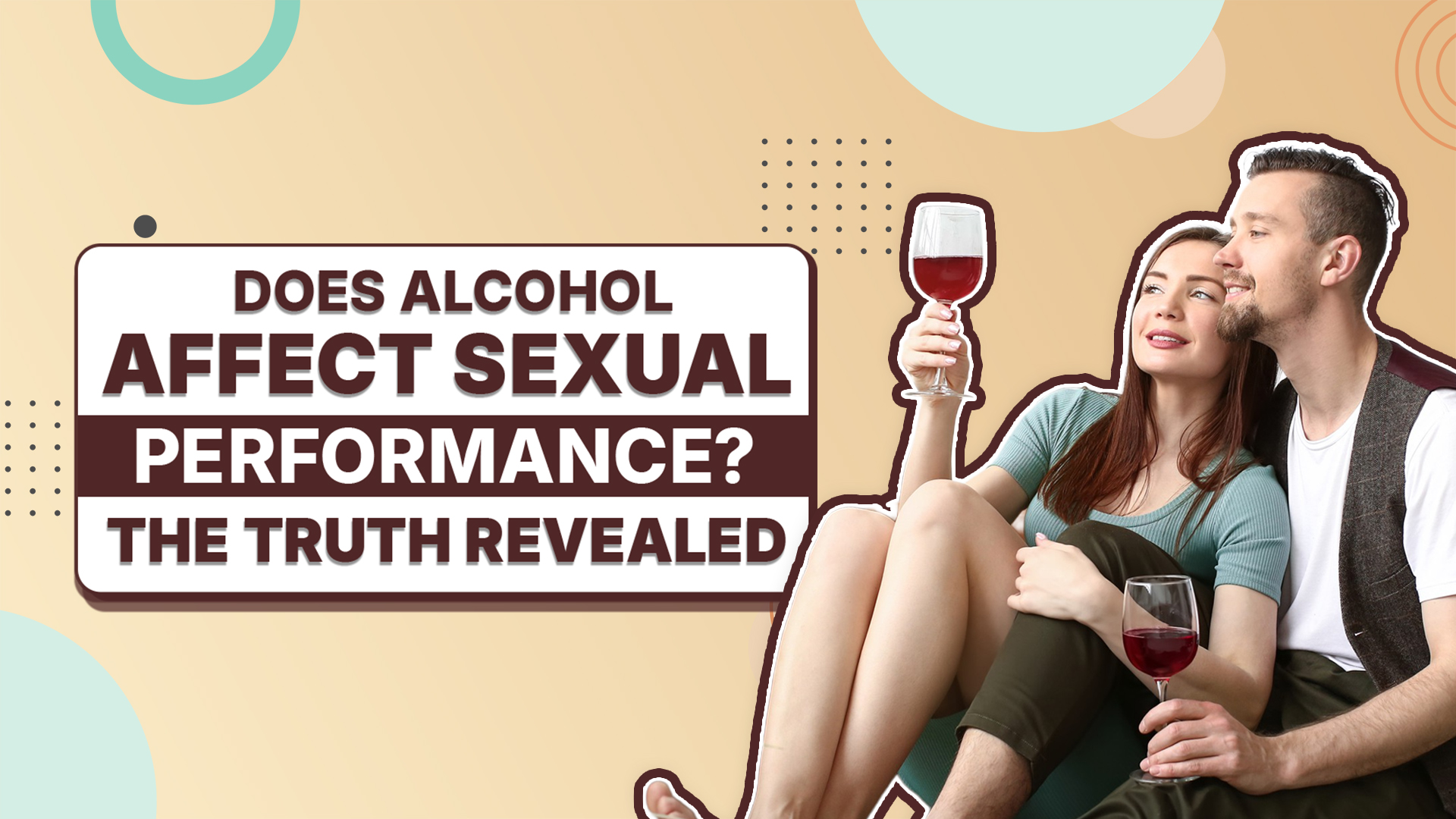
A glass of wine or a few drinks are often seen as mood-setters, helping people feel relaxed and confident in social and intimate situations. Many even believe that alcohol enhances sexual pleasure by reducing inhibitions. But the truth is more complicated.
While alcohol might temporarily lower anxiety and boost desire, excessive consumption can actually harm sexual performance in both men and women.
Sexual health relies on a delicate balance of hormones, blood circulation, and mental focus areas that alcohol directly affects.
Let’s break down the real connection between alcohol and sexual performance, highlighting both short-term effects and long-term consequences.

How Alcohol Affects Sexual Performance
1. Reduced Arousal and Desire
At first, alcohol may make you feel more open and less self-conscious, but too much can reduce natural arousal. For men, this often means difficulty in achieving or maintaining an erection.
For women, it can lead to decreased vaginal lubrication and lower responsiveness. In short, alcohol can dull the body’s natural signals of desire.
2. Interference with Hormones
Sexual performance is closely linked to hormones like testosterone and estrogen. Regular heavy drinking can lower testosterone levels in men, reducing sex drive and increasing the risk of erectile dysfunction.
In women, hormonal imbalance caused by alcohol can disrupt menstrual cycles and lower libido.
3. Nerve and Blood Flow Problems
A satisfying sexual experience depends on healthy blood circulation and nerve function. Alcohol acts as a depressant, slowing down the nervous system and dilating blood vessels. This makes it harder for men to get firm erections and for women to experience heightened sensation.
Over time, excessive drinking can damage blood vessels, making these problems more permanent.

4. Psychological Impact
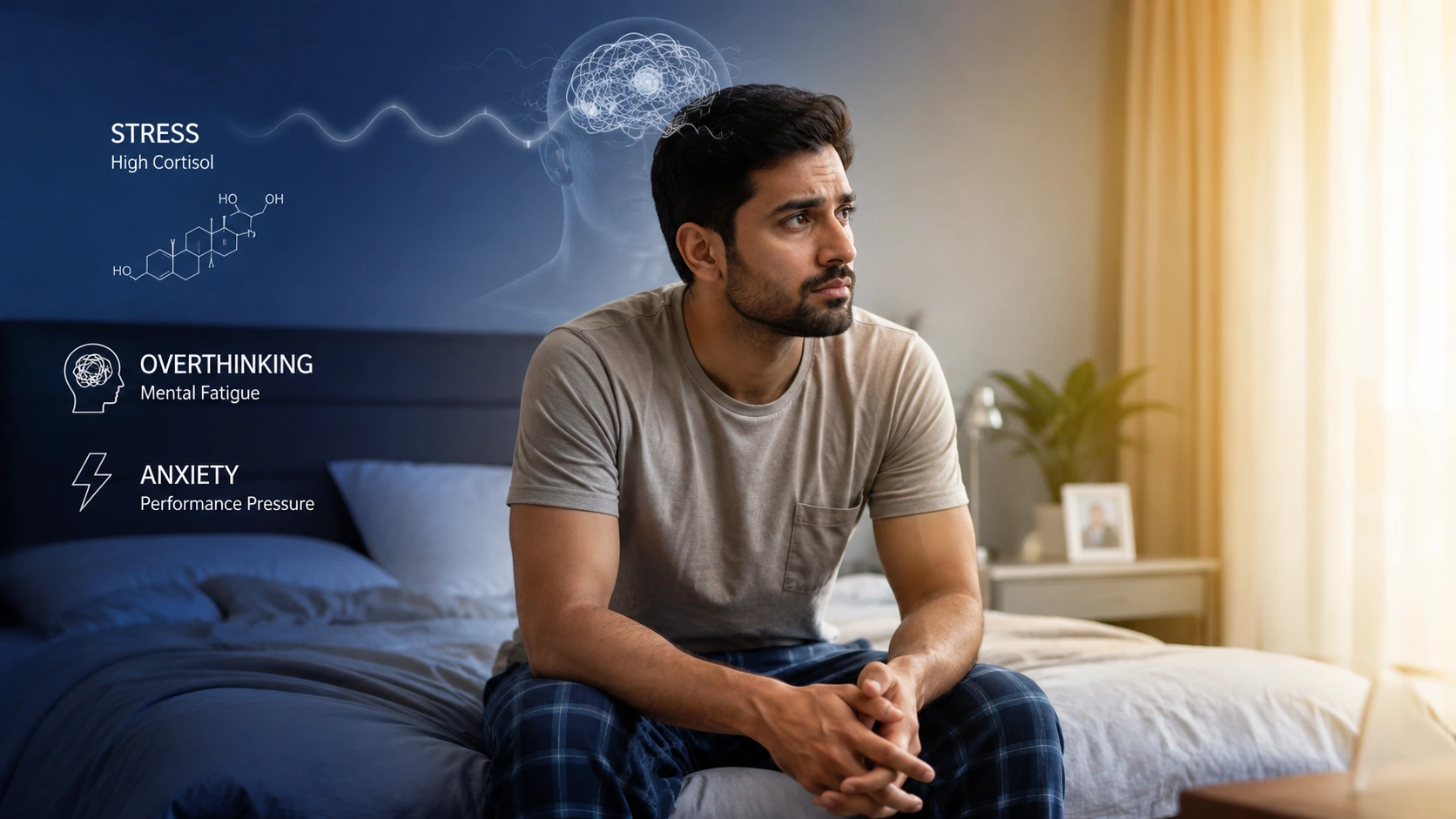
Confidence and relaxation after a drink or two may enhance intimacy, but heavy drinking can cause the opposite lowered self-esteem, performance anxiety, and emotional detachment.
Alcohol impairs mental clarity, which makes it harder to stay focused and connected with your partner during intimacy.
5. Long-Term Sexual Health Issues
Chronic alcohol abuse is strongly linked to long-term sexual dysfunction. In men, it significantly raises the risk of erectile dysfunction and infertility. In women, it can contribute to irregular ovulation, reduced fertility, and a higher chance of painful intercourse.
These issues often persist even after cutting back, making alcohol one of the most overlooked causes of sexual health problems.
Conclusion
Alcohol can feel like a quick fix for social confidence, but when it comes to sexual performance, the risks outweigh the benefits. Occasional moderate drinking is unlikely to cause major issues, but frequent or heavy consumption can negatively affect arousal, desire, and long-term sexual health.
The key is balance knowing your limits and understanding how alcohol impacts your body can help you maintain both your sexual well-being and your overall health.
If you’ve noticed persistent sexual performance issues, it’s worth talking to a healthcare professional to identify whether alcohol or other factors may be the cause.
FAQs Section
1. Can small amounts of alcohol improve sexual performance?
In moderation, alcohol may lower anxiety and help people feel more relaxed, but too much has the opposite effect.
2. Does alcohol cause erectile dysfunction permanently?
Heavy, long-term drinking can damage blood vessels and nerves, leading to chronic erectile dysfunction.
3. Is alcohol worse for men’s or women’s sexual health?
Both are affected. Men often struggle with erectile dysfunction, while women may face reduced lubrication, arousal, and hormonal imbalances.
4. How much alcohol is considered safe for sexual health?
Moderation is key up to one drink a day for women and up to two for men, as per health guidelines, usually doesn’t harm sexual health.
5. Can quitting alcohol improve sexual performance?
Yes. Many people notice improvements in libido, arousal, and overall sexual satisfaction after reducing or stopping alcohol.