
You’ve been tracking your cycle. Timing sex correctly. Taking the right supplements. Doing everything you’re supposed to do.And somewhere in there, nobody mentioned the lube.
That’s where things get tricky. Because it feels harmless. It helps. So how could it possibly interfere?
But here’s the truth: is lube safe when trying to conceive?
Some are. Most aren’t. And that difference can quietly affect your chances every single month.
For couples trying to get pregnant, lubricant is one of the most overlooked factors — and often one of the easiest to fix.
When considering conception, understanding the compatibility of lubricants with sperm health is crucial. Many commercially available lubricants can negatively affect sperm motility and viability, potentially hindering the chances of fertilization. Therefore, it is essential for couples to select fertility-friendly options or explore natural alternatives. Consulting with a healthcare professional can provide tailored advice to ensure the chosen lubricant supports reproductive goals.
Your Lube and Sperm Are Probably Not Getting Along
Sperm survival depends on a very specific environment.
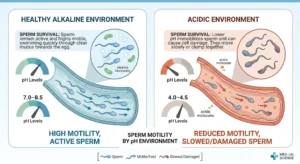
During ovulation, the vaginal pH becomes slightly alkaline (around 7–8.5), which helps sperm stay alive and swim toward the egg.
Most regular lubricants?
They sit at a pH of 4–4.5 — acidic and hostile for sperm.
This is where lubricant and fertility directly connect.
Even if sperm isn’t instantly killed, its motility (movement) slows down significantly—and without proper movement, fertilization simply doesn’t happen.
👉 So when asking, “Is lube safe when trying to conceive?” — the answer depends heavily on the type of lube you’re using.
The Ingredients That Can Reduce Your Chances
Many common lubricants contain ingredients that negatively affect sperm:
1. Glycerin
- Found in most water-based lubes
- Increases osmolality
- Damages sperm motility within minutes
2. Parabens
- Preservatives with mild hormone-disrupting effects
- Best avoided during the TTC (trying to conceive) phase
3. Petroleum-based products
- Includes Vaseline, baby oil
- Physically block sperm movement
- Increase infection risk
This is why lubricant affecting sperm motility is not just a theory—it’s a real, studied concern.
Why This Matters Even More During Ovulation
Ironically, lubricant use increases during the fertile window.
Why?
- Sex becomes scheduled
- Arousal may decrease
- Natural lubrication may be lower
So couples use lube exactly when sperm needs the best environment.
Using the wrong lubricant during ovulation means you’re reducing your chances at the most important time.
⚠️ One More Factor Most Couples Overlook
Trying to conceive often brings performance pressure.
Sex becomes goal-oriented instead of natural—which can affect:
- Arousal
- Stamina
- Confidence
This often leads to more dependence on lubricants, which brings us back to the same problem.
Instead of only relying on lubrication, some couples focus on improving natural performance.
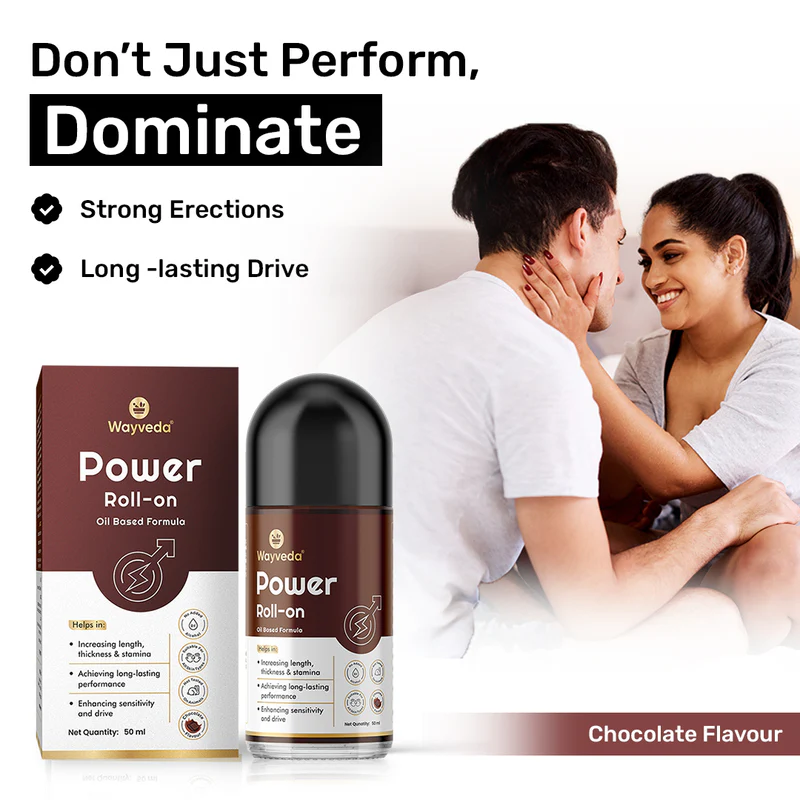
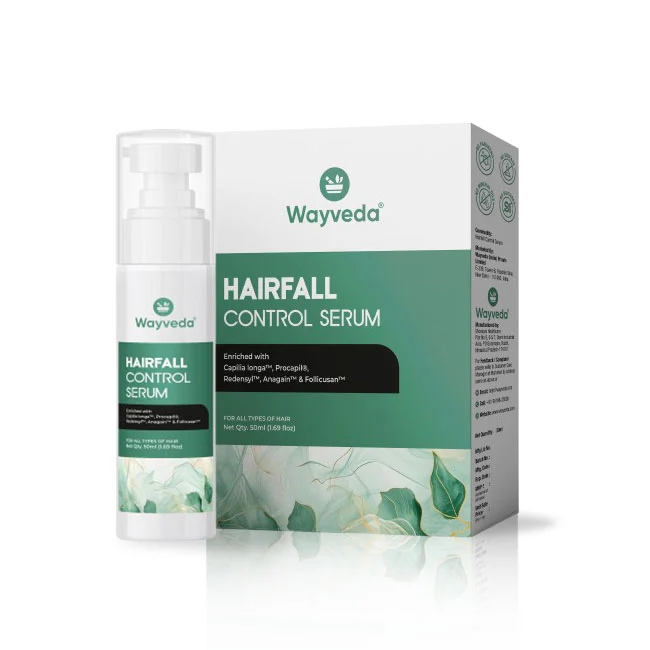
For example, Wayveda Power Roll-On for Men is a topical solution designed to support stamina and enhance performance before intimacy.
The idea isn’t to replace a fertility-safe lubricant, but to reduce dependency on regular lubes that may interfere with sperm.
What Is a Sperm-Friendly Lubricant?
A sperm-friendly lubricant is designed to support conception, not interfere with it.
It:
- Matches natural vaginal pH
- Maintains sperm motility
- Mimics cervical mucus
One of the most recommended options is Pre-Seed, a clinically tested fertility-safe lubricant widely used by couples trying to conceive.
For a simpler option, canola oil has shown good sperm compatibility in research and is easily available.
👉 The best lube for getting pregnant is one that does nothing harmful.
What If Natural Lubrication Is Low?
Cervical mucus during ovulation is the body’s natural fertility lubricant.
It:
- Helps sperm travel
- Protects sperm
- Supports fertilization
If it’s consistently low:
- It may indicate hormonal imbalance
- A consultation with a gynaecologist can help
If you still need extra lubrication, choosing a fertility-safe lubricant is essential.
Read More: Is Erectile Dysfunction Reversible?
What You Should Do Now
If you’re wondering again — is lube safe when trying to conceive? — here’s your action plan:
- ❌ Stop using regular lubricants during ovulation
- ✅ Check for ingredients like glycerin and parabens
- ✅ Switch to sperm-friendly lubricant (like Pre-Seed)
- ✅ Consider natural alternatives like canola oil
- ✅ Reduce dependency by improving natural arousal
If you’ve been trying for 6+ months:
- Consider a semen analysis
- Consult a fertility specialist
Final Thoughts
Is There a Permanent Cure for Erectile Dysfunction?
So, is lube safe when trying to conceive?
Most standard lubricants are not.
They don’t always kill sperm — but they slow it down enough to reduce your chances. This happens because many regular lubes are not designed to match the natural pH and consistency that sperm need to survive and move freely. Even if everything else in your fertility journey is on track, using the wrong lubricant can quietly reduce your odds without you realizing it.
The fix is simple:
👉 Switch to a fertility-safe option
👉 Remove an unnecessary obstacle
Sometimes, it’s not about doing more — it’s about removing what’s working against you. The same idea applies to sexual health overall. Whether it’s fertility or performance, small, practical changes often create the biggest results. Instead of overcomplicating things, focus on eliminating hidden barriers first — because that’s often where the real problem lies.
FAQs
Q: Is lube safe when trying to conceive, or is this a myth?
Not a myth. Many lubricants reduce sperm motility due to pH and ingredients. This can lower pregnancy chances.
Q: Which lubricant is safe when trying to conceive?
Fertility-safe options like Pre-Seed or natural alternatives like canola oil are considered sperm-friendly.
Q: Does lubricant affect sperm motility?
Yes. Many lubes reduce sperm movement within minutes, making fertilization difficult.
Q: Can I use coconut oil while trying to conceive?
Not ideal. It may disrupt vaginal flora. Canola oil is a safer alternative.
Q: How quickly does switching lubricant help?
Immediately. The effect of lubricant happens per use, so switching helps from the next cycle itself.